
Colds and flu are among the most common reasons people visit the pharmacy in winter. Most get better on their own within days, but choosing the right treatment eases symptoms and helps you avoid common mistakes, such as taking an antibiotic you do not need or an overdose of paracetamol without realising it. This guide explains the difference between a cold and flu, what actually helps, how to use cold medicines safely, and when to see a doctor.
The difference between a cold and flu
| Symptom | Cold | Flu |
|---|---|---|
| Onset | Gradual over a day or two | Sudden, within hours |
| Fever | Mild or none | Often high (38 to 40) |
| Body aches | Mild | Severe |
| Tiredness | Mild | Severe, and can last two weeks |
| Nose | Runny, blocked, sneezing | Sometimes |
| Duration | 7 to 10 days | One to two weeks |
Both are caused by viruses, which is why antibiotics do not treat them. They can cause side effects and make bacteria more resistant. A doctor prescribes an antibiotic only if a secondary bacterial infection develops.
What actually helps?
- Rest and fluids: water, warm soup and tea with lemon help replace fluids and soothe the throat.
- Honey for coughs: a spoonful of honey before bed may ease coughing, especially in children. Never give honey to babies under one year old, because of the risk of botulism.
- Gargling with warm salt water: soothes a sore throat.
- Steam and moist air: may ease congestion. Be careful with very hot water around children.
- Raising your head at night: eases a blocked nose and night-time coughing.
Vitamin C and zinc have a limited effect that depends on regular use and timing. See our guide to immunity supplements.
Fever and aches: paracetamol
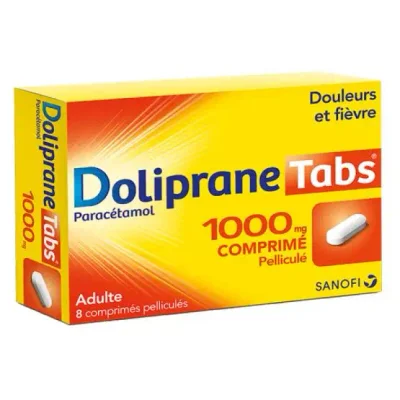
Paracetamol is safe and effective for lowering fever and easing headaches and body aches when used at the right dose. Doliprane Paracetamol 1000mg is used to relieve pain and reduce fever, according to its description.
- Adults: do not exceed 4 g (4,000 mg) a day, and leave at least 4 hours between doses. People who drink alcohol, have liver disease or weigh little need a lower dose, as their doctor advises.
- Children: the dose depends on weight. Use a children's formulation and the spoon or syringe provided.
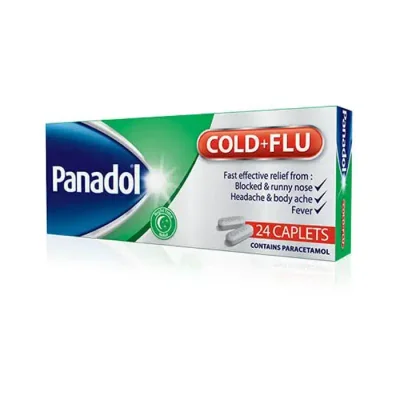
- The most dangerous mistake: many "cold and flu" sachets, tablets and syrups already contain paracetamol. Taking them with other paracetamol can push you over the safe dose and harm your liver without you noticing. Always read the ingredients.
- Ibuprofen is an alternative for fever in adults and in children above a certain age, but it is not suitable for people with a stomach ulcer or kidney disease, or in the last trimester of pregnancy.
- Do not give aspirin to children and teenagers under 16, because it is linked to the serious condition Reye's syndrome.
A blocked nose
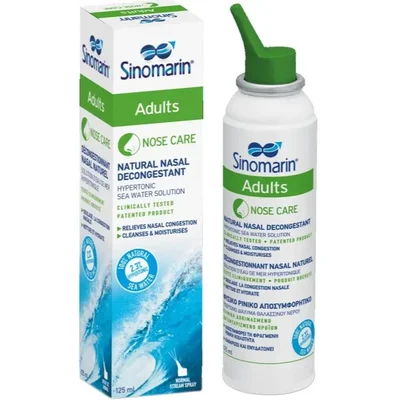
Saline first: seawater or saline sprays are safe for everyone. They clear mucus and moisturise the nose, and can be used several times a day for as long as needed. Sinomarin Adult is a saline solution that helps relieve congestion and moisturise the nose, according to its description.
For babies and children there is Sinomarin Children, a natural saline spray made for them to clear mucus from the nose, according to its description. With a baby, clearing the nose before feeds and sleep makes breathing much easier.
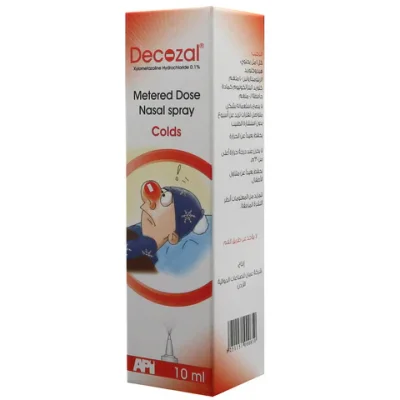
Decongestant sprays: such as Decozal 0.1%, which contains xylometazoline and quickly relieves congestion, according to its description. These sprays work well, but they come with important rules:
- Do not use them for more than 3 to 5 days in a row. Longer use causes "rebound congestion" that leaves you dependent on the spray.
- The 0.1% strength is for adults. Children need a lower strength for their age, on the advice of a doctor or pharmacist, and babies should use them only on prescription.
- Anyone with uncontrolled high blood pressure or glaucoma, or taking certain antidepressants, should ask their doctor first.
Coughs
A cough during a cold is the body's way of clearing the airways, and it usually improves within two to three weeks. Over-the-counter cough syrups show limited benefit in studies. Note:
- Many combination cough and cold syrups are not suitable for young children, especially under 6, except on a doctor's advice.
- Syrups containing older antihistamines cause drowsiness, so do not drive after taking them.
- A cough lasting more than 3 weeks needs a doctor's assessment.
Flu: when do you need special treatment?
There are antiviral flu medicines that a doctor prescribes, and they help most when started within the first 48 hours of symptoms, especially for people at risk of complications: older adults, pregnant women, young children, and people with heart, lung or kidney disease, diabetes or weak immunity. These groups also benefit from the yearly flu vaccine in early autumn.
Prevention
- Wash your hands with soap and water for at least 20 seconds, or use an alcohol hand gel.
- Cover your mouth and nose when you sneeze or cough, with a tissue or the inside of your elbow.
- Stay home when ill to protect others, especially older people and babies.
- The yearly flu vaccine for people at higher risk.
- Enough sleep, good food, and correcting vitamin D deficiency if you have one.
When should you see a doctor urgently?
- Difficult or fast breathing, chest pain, or blue lips.
- Unusual confusion or severe drowsiness, or seizures.
- Signs of dehydration: very little urine, a dry mouth, and dizziness on standing.
- Fever in a baby under 3 months old (38°C or higher): always urgent.
- Fever lasting more than 3 days, or getting better and then the fever and cough coming back worse.
- Severe ear or face pain, or a very sore throat with difficulty swallowing.
- Pregnant women, older adults and people with chronic illness when flu symptoms appear.
Frequently asked questions
Do I need an antibiotic if my mucus is green or yellow?
Not necessarily. Mucus changes colour in ordinary viral infections. Your doctor decides whether you need an antibiotic based on your symptoms and how long they last.
Can I combine paracetamol and ibuprofen?
This is sometimes advised for persistent fever in adults, but ask your pharmacist or doctor about doses and timing, and do not do it for children without advice.
When can I go back to work or school?
Once you have been free of fever for at least 24 hours without fever medicine, and your symptoms are improving.
Does cold weather cause colds?
Viruses cause them. But in winter we spend more time indoors with other people, so infections spread more.
Are decongestants safe in pregnancy?
Saline is safe. Decongestant sprays and combination tablets need a doctor's or pharmacist's advice first.
If you have a question about the right cold medicine for you or your child, or want to check you are not doubling up on the same ingredient, message Green Heart Pharmacy on WhatsApp and we will be glad to help.