As winter or the school season starts, the question we hear most at the pharmacy is: "What should I take to boost my immunity?" The truth is that no supplement "boosts" immunity in a healthy person who eats well. But some vitamins and minerals are essential for the immune system to work, and falling short makes you more likely to catch infections. This guide explains what actually helps according to studies, what does not, and how to use supplements safely.
How does the immune system work?
The immune system is a network of cells and organs that work together to defend against viruses and bacteria. It needs "raw materials" from food, such as protein, vitamin C, vitamin D and zinc, and it is strongly affected by lifestyle. So the first step to supporting your immunity is not a supplement, but the basics:
- Sleep: people who regularly sleep less than 6 hours catch more colds.
- A varied diet: colourful vegetables and fruit, and enough protein.
- Moderate activity: walking and regular exercise help immunity.
- Smoking: it weakens the lungs' defences, and quitting is one of the best things you can do for your immunity.
- Vaccines: such as the yearly flu vaccine for people at higher risk.
- Handwashing: it reduces the spread of infection more than any supplement.
Vitamin C
Vitamin C is important for white blood cells, and the body does not store it, so we need it every day from food. What do studies say?
- Taking it regularly every day may shorten colds slightly, but it does not prevent them for most people.
- Starting it after symptoms appear does not seem to change much.
- People under heavy physical strain may benefit more.
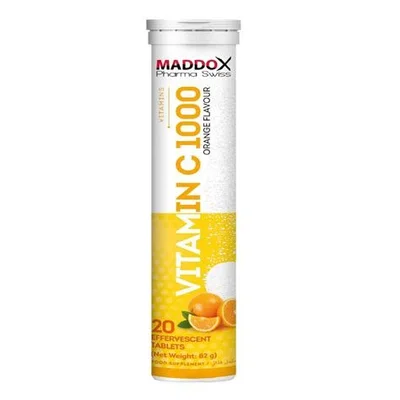
Fruit and vegetables such as oranges, kiwi, strawberries and sweet peppers are excellent sources. If you prefer a supplement, Maddox Vitamin C 1000mg Effervescent provides a high dose in a fast-dissolving fizzy form, according to its description.
Note: effervescent tablets usually contain sodium (salt), so anyone with high blood pressure or kidney disease, or on a low-salt diet, should ask the pharmacist about an alternative. Large doses of vitamin C (over 2,000 mg a day) can cause diarrhoea and may increase the risk of kidney stones in people prone to them.
Zinc
Zinc is essential for immune cells to develop, and a deficiency weakens defences and slows wound healing. Some studies found that zinc lozenges, started within 24 hours of the first cold symptoms, may shorten a cold, but the results are not consistent across all studies.
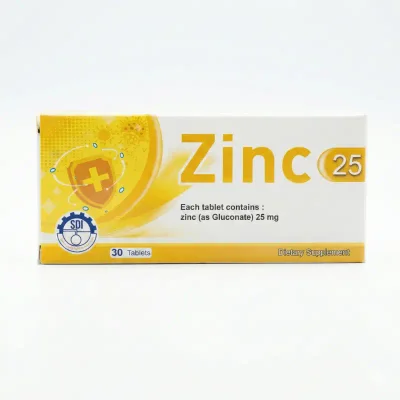
From our shelves, SDI Zinc 25mg is a moderate-dose zinc supplement that supports immunity and wound healing, according to its description.
- Take zinc after food, because it can cause nausea on an empty stomach.
- Do not take high doses (over 40 mg a day) for long periods without advice, because they cause copper deficiency and can weaken immunity instead of helping it.
- Zinc reduces the absorption of some antibiotics (such as tetracycline and ciprofloxacin), so leave at least two hours between them.
- Zinc nasal sprays are not suitable, because they have been linked to loss of smell.
Vitamin C and zinc combinations
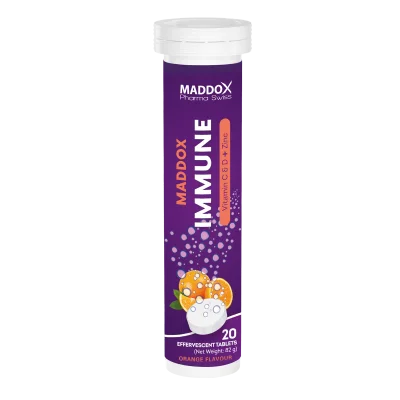
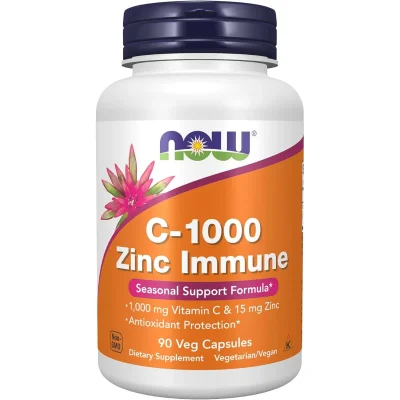
Products that combine the two are convenient if you want one product for cold season. Maddox Immune Support Effervescent combines vitamin C and zinc to support the body's defences, according to its description. Count the zinc in it if you also take a separate zinc supplement.
Vitamin D
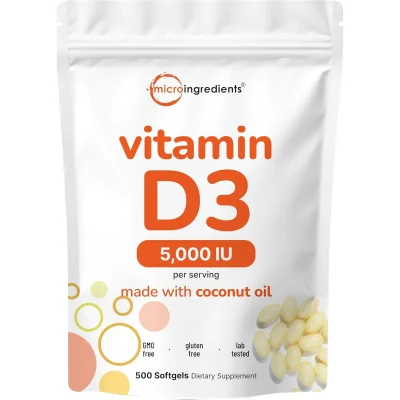
Vitamin D helps immune cells work, and deficiency is very common in Iraq. Studies suggest that correcting a deficiency may reduce respiratory infections in people whose levels were low, especially with regular daily doses. But extra doses in people whose level is already normal do not give a clear added benefit. Check your level first, and see our guide to the benefits of vitamin D.
Probiotics
A large share of immune cells sits in the gut, and there is a lot of interest in probiotics. Some strains may slightly reduce respiratory infections or antibiotic-related diarrhoea, but the benefit depends on the type of bacteria and the dose. See our guide to digestive health.
What about herbs?
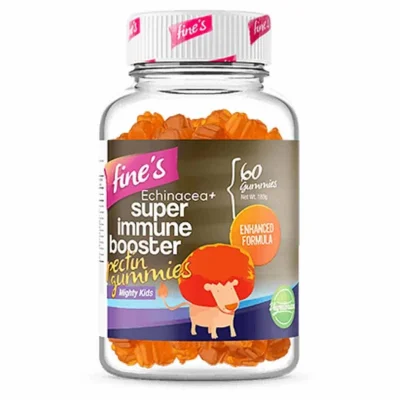
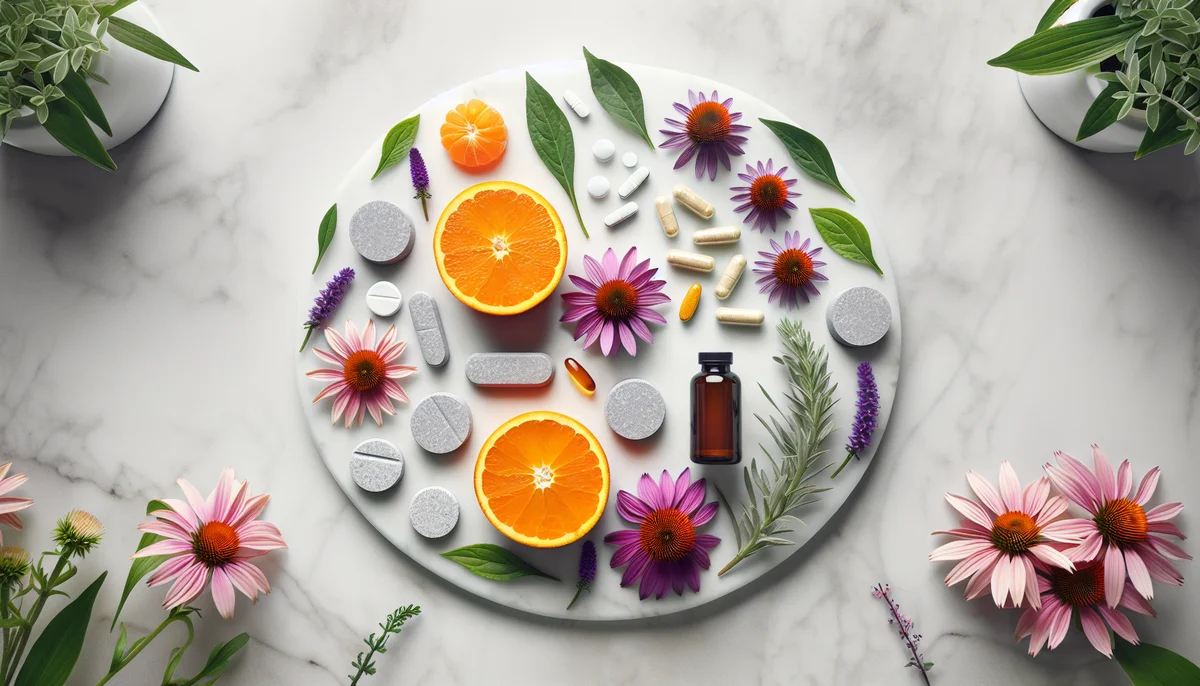
Echinacea, elderberry and propolis are popular immunity supplements, but the evidence for them is weak or inconsistent. They may not suit pregnant and breastfeeding women or young children, and echinacea can cause allergy in people allergic to plants in the daisy family. Anyone with an autoimmune disease or taking immune-suppressing medicines should ask their doctor before any herbal supplement.
Common mistakes
- Taking several immunity products at once, so doses of zinc, vitamin C and vitamin D add up without you noticing.
- Believing a supplement makes up for poor sleep, smoking or a poor diet.
- Taking antibiotics for colds and flu, which are viral infections that antibiotics do not treat. See our guide to colds and flu.
When should you see a doctor?
- If you get infections very often, severely or unusually repeatedly.
- A high fever lasting more than three days, or breathlessness or chest pain.
- If you have a chronic illness or take immune-suppressing medicines (such as long-term steroids or treatments for autoimmune disease).
- For pregnant and breastfeeding women and children, before starting any supplement other than the vitamins made for them.
Frequently asked questions
Do I need an immunity supplement if I eat well?
Usually not. The best-known exception here is vitamin D, because deficiency is common even with a good diet.
When should I take vitamin C and zinc?
With or after food. Vitamin C can be taken any time, and zinc after a meal to avoid nausea.
Can I give immunity supplements to children?
Only products made for children, at the dose shown for their age or as the paediatrician advises. Adult doses are not suitable for them.
Are big doses of vitamin C better?
No. The body absorbs a limited amount and passes the rest in urine, and very large doses can cause diarrhoea.
How long can I take immunity supplements?
Moderate doses can be taken through cold season. High-dose zinc should not be taken long term without advice.
If you have a question about which supplement suits you or your children, message Green Heart Pharmacy on WhatsApp and we will be glad to help.