
One of the questions we hear most at the pharmacy is: "My test says I'm low in vitamin D. What should I take, and how much?" Even though Iraq gets strong sunshine most of the year, vitamin D deficiency is very common here, in women, men and children alike. This guide explains in plain language why your body needs vitamin D, how to know whether you are low, how to choose a supplement and a safe dose, and when to see a doctor.
What is vitamin D?
Vitamin D is a fat-soluble vitamin. Your skin makes it when it is exposed to the sun's ultraviolet B (UVB) rays, and the liver and kidneys then convert it into its active form. Its main job is to help the gut absorb calcium and phosphorus, the minerals that build bones and teeth. That is why vitamin D behaves more like a hormone that regulates calcium than an ordinary vitamin.
It comes in two main forms: vitamin D2 (ergocalciferol) from plant sources, and vitamin D3 (cholecalciferol), the form human skin makes. Most studies suggest D3 raises and maintains blood levels more effectively, which is why it is the form most supplements use.
Why is deficiency so common in Iraq despite the sun?
- Little real sun exposure: in summer we avoid the sun because of the heat, and most of the day is spent indoors, at work or in the car.
- Covered skin: modest clothing reduces the skin area that makes vitamin D. That is perfectly normal and can be made up with supplements.
- Skin tone: darker skin needs longer in the sun to make the same amount.
- Diet: few foods contain vitamin D, and fortified foods are not common here.
- Extra weight: because the vitamin dissolves in fat, part of it is stored in fat tissue, leaving less available in the blood.
What does vitamin D do for the body?
The clearly proven benefit is for bones and muscles. Vitamin D helps you absorb calcium. Severe deficiency causes rickets in children (soft, bowed bones) and osteomalacia (soft bones) in adults, and over time it contributes to osteoporosis. It also matters for muscle strength, and a deficiency can cause muscle weakness and aches.
There is also a lot of research on its role in immunity. Some studies suggest that correcting a deficiency may reduce how often people who were low get certain respiratory infections. The links with mood, heart health and diabetes are still mixed. There is not enough evidence that supplements treat depression or prevent heart disease in people whose levels are already normal. So think of vitamin D as part of your overall health, not as a cure for everything.
Symptoms of vitamin D deficiency
Many people are deficient and feel nothing at all, which is why a blood test is the only way to be sure. When symptoms do appear, they can include:
- Ongoing tiredness with no clear cause.
- Bone pain, especially in the lower back, pelvis and legs.
- Muscle weakness or cramps, and difficulty climbing stairs.
- In children: late walking, bowed legs or late teething.
These symptoms are general and have many other possible causes, such as anaemia or thyroid problems, so do not rely on them alone.
Who should get tested?
- Pregnant and breastfeeding women.
- Babies who are exclusively breastfed.
- Older adults and people who rarely go outdoors.
- People with extra weight, or with liver, kidney or bowel conditions (such as coeliac disease or Crohn's disease).
- People taking medicines that affect vitamin D, such as some epilepsy medicines or long-term steroids.
How do I know my level? Understanding the test
The test you need is called 25-hydroxy vitamin D (25-OH vitamin D). Results are usually given in ng/mL and read roughly like this:
- Below 20 ng/mL: deficiency that needs treatment under a doctor's supervision.
- 20 to 29: insufficient according to many medical bodies.
- 30 and above: sufficient for most people.
- Above 100: high. Stop supplements and see your doctor.
Some labs report in nmol/L (about 2.5 times the ng/mL number), so check the unit before comparing, and show the result to your doctor.
Natural sources of vitamin D
Sunlight: 10 to 20 minutes of sun on your face and arms, at a mild time of day, several times a week helps a lot. In the Iraqi summer, choose early morning or just before sunset, and avoid sunburn and heatstroke. Sun through a window does not count, because glass blocks most of the useful rays.
Food: oily fish such as salmon, sardines and mackerel, egg yolks, cod liver oil, and some fortified milk and yoghurt. But food alone rarely corrects an existing deficiency.
Vitamin D supplements: how to choose a dose
The right dose depends on your age and your test result. These are general figures to explain the options, not a prescription:
- Prevention in adults: the recommended daily intake is 600 to 800 IU, and many doctors advise 1,000 to 2,000 IU a day for people who get little sun. The safe upper limit for long-term daily use in adults is 4,000 IU unless your doctor says otherwise.
- Babies: 400 IU a day for breastfed babies, starting in the first days of life and following the paediatrician's advice.
- Treating a deficiency: doctors sometimes prescribe high doses such as 50,000 IU once a week for several weeks, followed by a maintenance dose and a repeat test. These doses should not be taken without a prescription and follow-up.
Taking vitamin D with a meal that contains some fat improves absorption. Taking it regularly matters more than the time of day.
If you need a daily dose to maintain your level, Microingredients Vitamin D3 provides 2,000 IU per softgel, according to its description.
For babies, Nature's Truth Vitamin D3 Drops provide 400 IU, the usual daily dose for an infant.
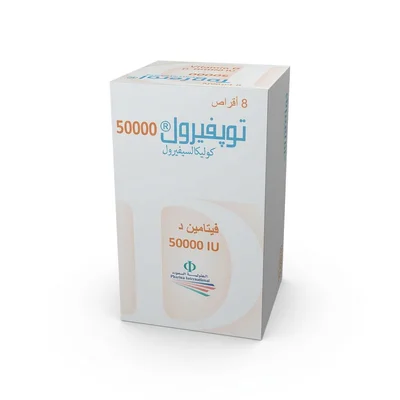
The high 50,000 IU strength, such as Topferol Vitamin D3, which contains 50,000 IU per tablet according to its description, is only for a deficiency confirmed by a blood test, and only at the dose and for the length of time your doctor prescribes.
Vitamin D3 with K2: do I need it?
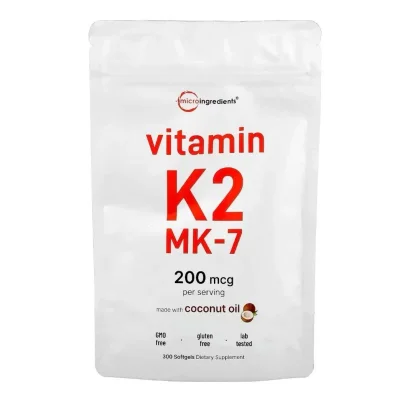
Vitamin K2 helps direct calcium into the bones, which is why some supplements combine the two. The idea makes sense, but the evidence that the combination works better than vitamin D alone is still limited. If you choose this type, such as Microingredients Vitamin D3 + K2, check the dose printed on the pack and keep one important point in mind: anyone taking the blood thinner warfarin must not take vitamin K without asking their doctor, because it changes how the medicine works.
Can vitamin D be harmful?
Yes, too much is possible. It usually comes from taking high doses for a long time without testing, not from the sun. Excess vitamin D raises calcium in the blood. Signs include nausea and vomiting, strong thirst and frequent urination, constipation, tiredness and confusion, and it can affect the kidneys. So:
- Do not combine several products that contain vitamin D without adding up the total dose (many multivitamins and calcium supplements also contain it).
- Repeat your blood test after the treatment period, as your doctor advises.
- If you have kidney stones, high calcium, conditions such as sarcoidosis, or take thiazide diuretics, speak to your doctor before taking any dose.
When should you see a doctor?
- If your test result is below 20 ng/mL or above 100.
- If you have severe bone pain or muscle weakness that is getting worse.
- If you notice signs of high calcium, such as strong thirst, vomiting or confusion.
- For pregnant and breastfeeding women and for children, before any dose other than the usual preventive one.
- If you take long-term medicines, so interactions can be checked.
Frequently asked questions
How long does it take for vitamin D levels to rise?
Levels usually start rising within a few weeks, and correcting a clear deficiency takes two to three months of regular treatment. That is why the test is repeated after that period, not after a few days.
Should I take it in the morning or the evening?
There is no single best time. What matters is taking it with a meal and sticking to it every day, or to the weekly schedule your doctor set.
Is the sun enough without supplements?
For some people it is, if they get regular sun. But a confirmed deficiency usually needs a supplement to correct it. After that you can rely more on sun and food to keep your level up.
Does vitamin D help with hair loss?
Severe deficiency may be linked to hair loss in some people, and correcting it is part of treatment. But extra doses in people whose level is already normal have not been shown to stop hair loss. It is better to find the underlying cause with your doctor.
Can I buy the 50,000 IU strength on my own?
We advise against it. It is a treatment dose whose length depends on your test results, and using it without follow-up can push vitamin D and calcium too high. Ask your doctor or pharmacist first.
If you have a question about your test result or which supplement suits you, message Green Heart Pharmacy on WhatsApp and we will be glad to help.