"My hair is falling out. Which vitamin should I take?" We hear this at the pharmacy almost every day. The honest answer: vitamins help a lot when hair loss is caused by a real shortage of a particular nutrient, but they do not treat every kind of hair loss. This guide explains the causes of hair loss, which vitamins and minerals actually have evidence behind them, how to choose a supplement without overpromising, and when to see a doctor.
How much hair loss is normal?
Losing 50 to 100 hairs a day is normal, because each hair goes through a growth phase, a resting phase and then falls out so a new one can grow in its place. It is worth looking into when you notice clumps on the pillow or in the shower, your scalp looks more visible than before, or your hair thins at the front or along your parting.
Causes of hair loss
- Telogen effluvium: diffuse shedding that starts two to three months after a major event such as childbirth, high fever, surgery, a crash diet or severe stress. It usually improves on its own within months.
- Hereditary (pattern) hair loss: gradual thinning at the front and crown in men, and along the parting in women. Vitamins alone do not treat it. The main treatment is minoxidil and other options under a doctor's care.
- Nutritional deficiency: especially iron and protein, and sometimes vitamin D and zinc.
- Hormonal and medical causes: thyroid problems, polycystic ovary syndrome and some medicines.
- Alopecia areata: round, completely bald patches. It is an immune condition that needs a dermatologist.
The vitamins and minerals that matter for hair
Iron
Iron deficiency is one of the most common treatable causes of hair loss in women. The key test is ferritin (your iron stores). Some dermatologists prefer a level above the bottom of the normal range for women with hair loss, but your doctor sets the target, and you should not take iron before a deficiency is confirmed. See our guide to anaemia and iron deficiency.
Vitamin D
Vitamin D deficiency is very common in Iraq, and many studies have found a link between low levels and some types of hair loss. Correcting a deficiency is good for your overall health, but extra doses in people whose level is already normal have not been shown to stop hair loss. See our guide to vitamin D.
Biotin (vitamin B7)
Biotin is the best-known "hair vitamin", but deficiency is rare, and the evidence of benefit is largely limited to people who are actually deficient. It may help some people with brittle nails. If you decide to try it, read the important warning below about its effect on blood tests.
Zinc
Zinc deficiency can cause hair loss, but taking too much for a long time causes copper deficiency. It is best taken as part of a balanced supplement rather than in high single doses without a reason.
Protein
Hair is made of a protein called keratin. Crash diets and low protein intake are common causes of shedding, and the fix starts with food: eggs, meat, chicken, fish, pulses and dairy.
Hair, skin and nail supplements: when do they help?
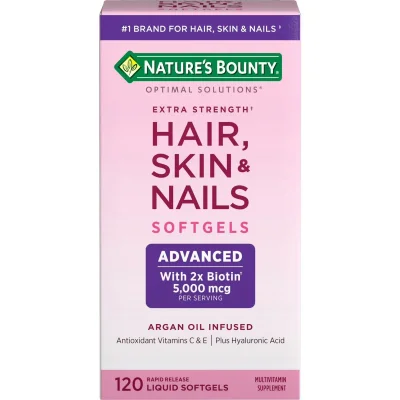
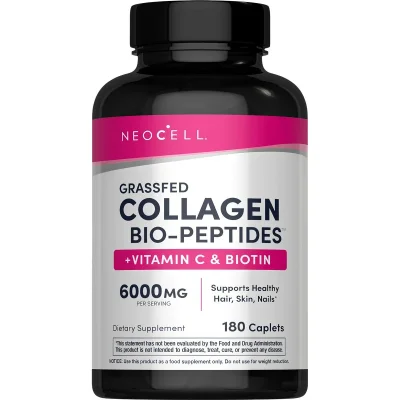
Supplements that combine several vitamins and minerals for hair, skin and nails can be useful for people whose diet is unbalanced, after childbirth or after dieting, because they cover several nutrients at moderate doses. Do not expect quick results: hair grows slowly, and it usually takes at least three months to notice a difference.
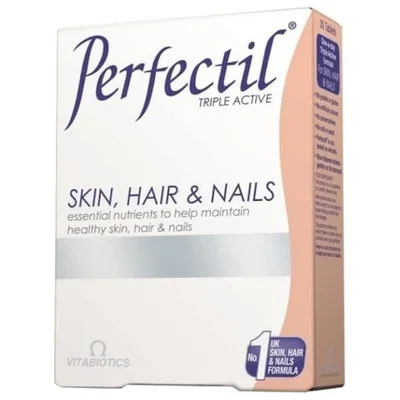
From our shelves, Vitabiotics Perfectil Original is a daily supplement for skin, hair and nails, containing vitamin C, vitamin E and biotin in a multi-nutrient formula, according to its description.
Maddox Skin Hair Nails contains evening primrose oil with biotin, niacin, vitamin A, zinc, copper and selenium, according to its description.
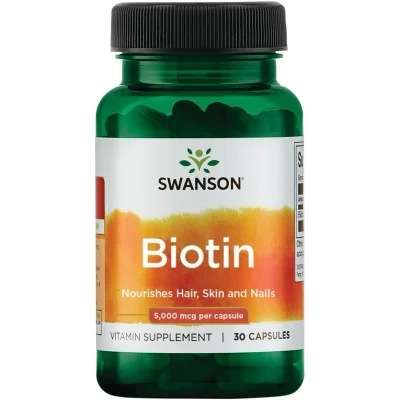
For people whose doctor recommends biotin on its own, Swanson Biotin 5000 mcg comes in vegan capsules, according to its description.
Take care not to combine several supplements that contain the same nutrients (such as zinc and vitamin A) without asking your pharmacist, because the doses add up.
Important warning: biotin and blood tests
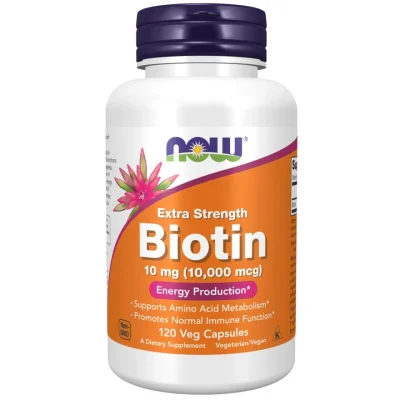
High doses of biotin, such as 5,000 or 10,000 mcg, can distort some lab tests, including thyroid tests and the troponin test used to diagnose a heart attack, making results read higher or lower than they really are. Always tell your doctor and the lab that you take biotin, and stop it before a blood test as the lab advises. Two to three days is usually enough.
Topical treatments
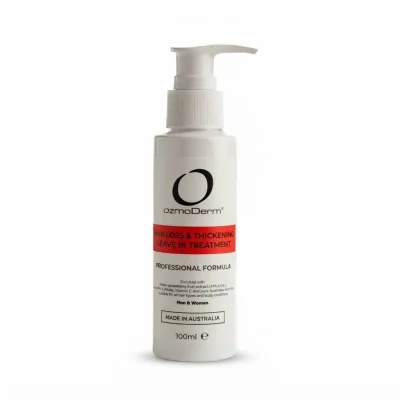
For hereditary hair loss, topical minoxidil is the most studied treatment and needs regular use for months. See our guide to hair loss and minoxidil. Oils such as argan oil help moisturise hair and reduce breakage, but they do not treat shedding from the root.
Daily habits that protect your hair
- A balanced diet with enough protein, and no crash diets.
- Less high heat (hair dryers and straighteners), dyeing and repeated chemical straightening.
- Avoid tight hairstyles such as a pulled-back ponytail for long periods, as they can cause permanent loss at the hairline.
- Comb gently when hair is damp, using a wide-tooth comb.
- Enough sleep, and managing stress where you can.
When should you see a doctor?
- Sudden, heavy shedding, or bald patches.
- Hair loss with other symptoms such as severe tiredness, weight gain or loss, irregular periods, or acne and extra facial hair.
- Redness, pain, scaling or severe itching of the scalp.
- Clear thinning at the front or along the parting that is getting worse.
- No improvement after three to six months of treatment.
Tests your doctor often orders: a full blood count, ferritin, vitamin D and thyroid function, and sometimes hormone tests.
Frequently asked questions
How long do hair vitamins take to work?
Usually three to six months of regular use, because new hair grows slowly. If you see no difference after six months, look for the cause with your doctor.
Does biotin cause acne?
Some people notice spots with high-dose biotin, though the evidence is limited. If it happens to you, lower the dose or stop, and ask your pharmacist.
Is hair loss after childbirth normal?
Yes. Many mothers notice obvious shedding two to four months after giving birth, and it usually improves within a year. It is worth checking iron, vitamin D and thyroid function.
Can I take hair vitamins while pregnant?
Do not take hair supplements in pregnancy without asking your doctor, because some contain vitamin A at doses unsuitable for pregnancy. A dedicated pregnancy vitamin is the better choice. See our guide to pregnancy vitamins.
Do men benefit from hair vitamins?
If they are deficient, yes. But most hair loss in men is hereditary and needs topical or medical treatment under a doctor's care.
If you have a question about your hair loss or which supplement suits you, message Green Heart Pharmacy on WhatsApp and we will be glad to help.