Many women ask us at the pharmacy: When should I start pregnancy vitamins? Do I need iron? Which supplement should I choose? This guide brings the basics together in simple language, from planning a pregnancy through breastfeeding. Remember that everything here works alongside your doctor's follow-up and never replaces regular antenatal check-ups.
Why do you need pregnancy-specific vitamins?
A balanced diet is always the foundation. But your body needs more of some nutrients during pregnancy, such as folic acid, iron, vitamin D and iodine. It can be hard to get enough from food alone, especially with nausea and appetite changes in the early months. That is why your doctor will usually recommend a supplement suited to your stage.
Folic acid: start before pregnancy
Folic acid (vitamin B9) supports the healthy development of the baby's neural tube, the part that forms the brain and spinal cord. This part forms in the very first weeks, often before you know you are pregnant. That is why it is usually recommended to start folic acid when planning a pregnancy, at least one month before, and to continue through the first three months or as your doctor advises.
The usual dose for most women is the daily amount found in preconception supplements, which is usually 400 micrograms a day. The higher 5 mg dose is not "better" for everyone. It is used only when a doctor prescribes it for specific reasons, such as a previous pregnancy affected by a neural tube defect, diabetes, or taking certain epilepsy medicines. Do not raise the dose on your own.
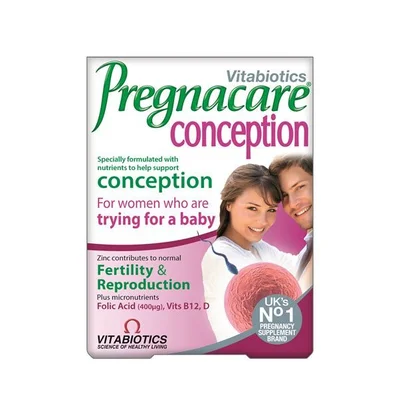
If you are planning a pregnancy, Vitabiotics Pregnacare Conception is designed for women trying to conceive and, according to its label, contains 400 micrograms of folic acid along with vitamin D and zinc.
Iron and anaemia in pregnancy
Iron-deficiency anaemia is common during pregnancy, and we see it often among women in Iraq. During pregnancy your body needs more blood for you and your baby, and you may notice symptoms such as severe tiredness, dizziness, a pale face or shortness of breath.
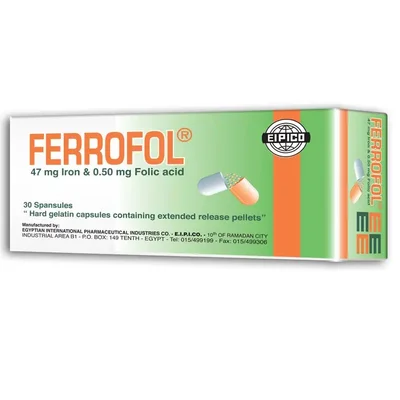
Your doctor decides whether you need iron, based on a blood test (such as haemoglobin, and sometimes iron stores). She may rely on the iron in your multivitamin, or add a separate supplement depending on your result. One available option is Eipico Ferro-fol, capsules that combine iron with folic acid, used when your doctor recommends it.
Tips to reduce constipation and nausea with iron
- Drink enough water throughout the day.
- Eat plenty of vegetables, fruit, legumes and whole grains.
- Gentle walking helps the bowels move, if your doctor allows it.
- If iron makes you nauseous, try taking it after a light meal or at bedtime.
- Avoid taking it with tea, coffee or milk, and leave about two hours between them and your iron, because they reduce absorption.
- Taking it with orange juice or fruit rich in vitamin C may help absorption.
- Darker stools are normal with iron and are usually nothing to worry about.
If constipation or discomfort continues, tell your doctor or pharmacist. Changing the type or timing of the supplement may be enough.
Vitamin D and iodine
Vitamin D is important for your bones and your baby's bones. Deficiency is common among many women despite the sunshine, because of little direct sun exposure. Your doctor may test your level and decide whether you need an extra dose on top of what is in your multivitamin.
Your body needs iodine for thyroid function, and it supports your baby's brain development. Use iodised salt in cooking, in moderation, and check the label of the vitamin you take. If you have a thyroid condition, ask your doctor before any supplement that contains iodine.
Omega-3 (DHA)
Omega-3 fatty acids, especially DHA, support the development of your baby's brain and eyes. You can get them from fish once or twice a week, while avoiding large fish that are high in mercury. If you do not eat fish, a supplement may be a suitable option. Note: fish liver oil is not the same as fish oil, because it contains vitamin A, so do not take it during pregnancy unless your doctor advises it.
One option that combines vitamins with omega-3 in one pack is Pregnacare Plus Omega-3, designed for pregnancy and breastfeeding, which according to its label contains folic acid, iron and vitamin D along with DHA and EPA.
Why a pregnancy vitamin rather than a general one?
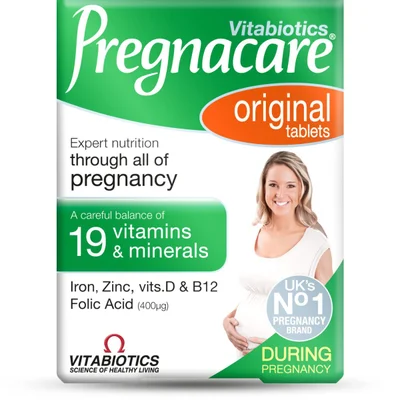
General multivitamins may contain vitamin A in the "retinol" form in amounts that are not suitable for pregnancy. High doses of vitamin A can harm the baby. Pregnancy vitamins are designed for this stage, with suitable amounts of folic acid, iron and other nutrients. A well-known option is Pregnacare Original, designed for before, during and after pregnancy.
What to avoid
- High doses of vitamin A: including fish liver oil and eating a lot of liver. Tell your doctor if you use an acne treatment from the vitamin A family.
- Doubling up on vitamins: do not take two multivitamins together. You may exceed the safe amount of vitamin A or iron.
- Herbs and mixtures: do not take any herbal product or "mixture" during pregnancy or breastfeeding without asking your doctor or pharmacist.
- Raising the dose yourself: stick to the dose on the pack or the one your doctor prescribes.
Keep vitamins, especially iron, out of children's reach, because swallowing a large amount is dangerous for a child.
During breastfeeding
After birth your body still needs good nutrition to recover and to produce milk. Many doctors advise continuing a vitamin suitable for breastfeeding, with attention to vitamin D, iodine, omega-3 and fluids. If you have anaemia after birth, your doctor will decide whether you need to continue iron. As for your baby, the paediatrician decides whether they need vitamin D drops.
Quick table by stage
| Stage | Key nutrients | Note |
|---|---|---|
| Before pregnancy | Folic acid, vitamin D | Start folic acid at least one month before pregnancy |
| During pregnancy | Folic acid, iron, vitamin D, iodine, omega-3 | Iron according to your blood test and your doctor's advice |
| Breastfeeding | Vitamin D, iodine, omega-3, iron if needed | A breastfeeding-suitable vitamin with a balanced diet and enough fluids |
When should you see your doctor?
- If you feel severe tiredness, dizziness, palpitations or shortness of breath.
- If vomiting is severe and you cannot keep food or vitamins down.
- If constipation is severe and persistent, or you notice blood in your stool or strong abdominal pain.
- If you have a chronic condition such as diabetes, thyroid disease or epilepsy, before starting any supplement.
- If you took more than the stated dose, or a child swallowed iron tablets, go to the emergency department straight away.
Frequently asked questions
Should I start folic acid before I know I am pregnant?
Yes. It is usually recommended to start when planning a pregnancy, because the neural tube forms in the first weeks, before many women know they are pregnant.
Is 5 mg folic acid better than the usual dose?
No. The 5 mg dose is used only when a doctor prescribes it for specific reasons. Most women need only the usual dose found in pregnancy supplements.
Should I take iron tablets with my pregnancy vitamin?
Only if your doctor asks you to after a blood test. Pregnancy vitamins usually contain some iron, and your doctor decides whether you need more.
Can I stop my vitamins after giving birth?
Ask your doctor first. If you are breastfeeding, continuing a breastfeeding-suitable vitamin is usually advised.
Have a question about pregnancy vitamins or need help choosing? Ask the pharmacist at GH Pharmacy via WhatsApp, and we will be happy to help.