Type 2 diabetes is very common in Iraq, and it is closely linked to extra weight, too little movement and a diet heavy in starch and sugar. The good news is that small, steady changes in eating and activity, together with the right treatment, make a big difference, and in the early stages can bring blood sugar back to normal for some people. This guide explains the link between weight and diabetes, how to monitor your sugar at home, an honest look at supplements and the new weight-loss medicines, and when you need a doctor.
What is type 2 diabetes?
In type 2 diabetes the body becomes less responsive to the hormone insulin (insulin resistance), so sugar stays high in the blood. Before diagnosis there are often years of "prediabetes" with no symptoms, which is why regular testing matters, especially for people with extra weight, a family history, previous diabetes in pregnancy, or high blood pressure.
The important tests
- Fasting blood sugar: 126 mg/dL or higher on two occasions points to diabetes, and 100 to 125 to prediabetes.
- HbA1c: reflects your average sugar over the last three months. 6.5% or higher is diabetes, and 5.7 to 6.4% is prediabetes. Many patients aim for under 7%, but your doctor sets your target based on your age and health.
The link between weight and diabetes
Fat around the belly in particular increases insulin resistance. Losing just 5 to 10% of your weight, for example 5 to 10 kg for someone who weighs 100 kg, clearly improves blood sugar, blood pressure and cholesterol. In studies, large and lasting weight loss brought blood sugar back to normal in a share of patients in the first years of the condition, but this needs medical follow-up and adjusted medicines.
Eating: practical steps
- The plate method: half the plate vegetables, a quarter protein (chicken, fish, meat, eggs, pulses), and a quarter starch.
- Cut down on white bread, rice and samoon, and choose whole grains, bulgur and brown bread in measured amounts.
- Start meals with salad and vegetables. The fibre slows the rise in sugar.
- Avoid juices, fizzy drinks and very sweet tea, which raise sugar quickly.
- Dates and fruit are fine in moderate amounts as part of a meal, not in large amounts between meals.
Sugar substitutes help you cut sugar in tea and coffee. Whole Earth Liquid Sweetener from our shelves combines stevia and monk fruit as a calorie-free alternative to sugar, according to its description.
Sweeteners help you get used to a less sweet taste, but it is best to reduce sweetness gradually overall.
Movement
Muscles use sugar during and after activity, which makes exercise one of the strongest "medicines" for diabetes. Aim for 150 minutes a week of brisk walking or similar, plus resistance exercise twice a week. Even walking for 10 to 15 minutes after meals lowers the sugar spike that follows. In the Iraqi summer, walk in the morning or evening or somewhere air-conditioned, and drink enough water.
Monitoring sugar at home
A blood glucose meter helps you understand how food, activity and medicine affect you, and it is essential for anyone using insulin or medicines that can cause low sugar. Your doctor tells you how often and when to test.
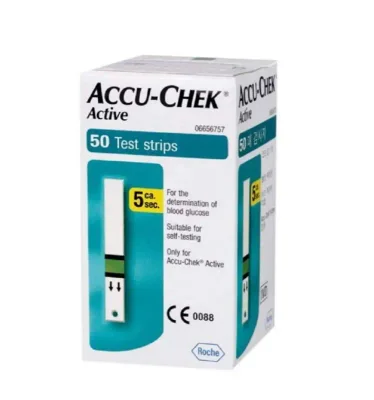
From our shelves, Roche Accu-Chek Active Test Strips are made for use with Accu-Chek Active meters for accurate glucose measurement, according to their description. Always check the strips match your meter, and keep them in their closed tub away from heat and humidity.
Use new sterile lancets, such as this pack of 100 sterile lancets made for glucose testing, according to its description. Never share your lancing device or lancets with anyone else.
- Wash and dry your hands before testing. Traces of sweet food on your fingers give a false reading.
- Prick the side of the fingertip, not the tip, and rotate fingers.
- Record your readings with the time and what you ate, and show them to your doctor.
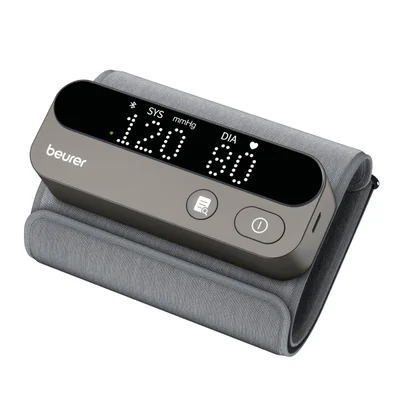
People with diabetes are more prone to high blood pressure, so an upper-arm monitor is useful at home. Beurer BM59 is an automatic upper-arm device that measures blood pressure and pulse, according to its description.
Supplements: what does the evidence say?
Many supplements are marketed to "regulate blood sugar". The truth is that no supplement replaces treatment or diet, and you must never stop a diabetes medicine because of a supplement:
- Berberine: some studies found it lowers blood sugar, but it can upset the stomach, interacts with many medicines, can cause low sugar alongside diabetes medicines, and is not for use in pregnancy or breastfeeding.
- Cinnamon and chromium: results are weak and inconsistent.
- Alpha-lipoic acid: may ease symptoms of diabetic nerve damage in some patients, and is used under a doctor's supervision.
- Vitamin B12: people who have taken metformin for years may need a B12 test, because the medicine can reduce its absorption.
If you want to try any supplement, tell your doctor first and check your sugar more often in the first few weeks.
The new weight-loss medicines (such as semaglutide)
GLP-1 medicines such as semaglutide and liraglutide have changed the treatment of diabetes and obesity. They reduce appetite, improve blood sugar and help many people lose significant weight. But they are prescription-only medicines:
- They need a doctor's assessment, regular follow-up, and a dose that is increased gradually.
- Common side effects are nausea, vomiting, constipation or diarrhoea. Rarely, they can cause pancreatitis or gallbladder problems.
- They are not used in pregnancy, or in people with a personal or family history of a certain type of thyroid cancer, unless the doctor decides otherwise.
- Beware of counterfeit pens and products sold through social media with no known source. They may be fake, contaminated or the wrong dose.
- Weight usually returns when they are stopped if habits have not changed. They are a help, not a replacement for healthy eating and activity.
Low blood sugar: know the signs
People using insulin or some tablets can have low blood sugar (below 70 mg/dL). The signs: shaking, sweating, intense hunger, a racing heart, dizziness and confusion. Quick treatment: 15 g of fast sugar (half a glass of juice, or 3 to 4 teaspoons of sugar in water), then test again after 15 minutes. If the person loses consciousness, put nothing in their mouth and call an ambulance straight away.
When should you see a doctor?
- Strong thirst, frequent urination and unexplained weight loss, or blurred vision.
- Consistently high readings (for example above 250) or repeated lows.
- Vomiting with high sugar, tummy pain or fast breathing, which can be an emergency.
- A wound or sore on the foot that does not heal, or a change in the colour of your toes.
- A yearly check of your eyes, feet and kidney function, even without symptoms.
Frequently asked questions
Can type 2 diabetes be cured?
For some people, especially in the first years, large weight loss can bring blood sugar back to normal without medicine (remission). But it can return if the weight comes back, and it needs ongoing follow-up.
Can herbs treat diabetes?
No herb cures diabetes. Some herbal mixtures may contain hidden medicines or interact with your treatment. Do not stop your medicine without your doctor.
Are dates forbidden for people with diabetes?
No, but in small amounts (one or two) as part of a meal, while checking how they affect your sugar.
How often should I check my HbA1c?
Usually every 3 months until your sugar is stable, then every 6 months if it is well controlled, as your doctor advises.
Can I fast in Ramadan?
It depends on your treatment and your health. Talk to your doctor well before Ramadan so doses can be adjusted, and break your fast straight away if your sugar drops.
If you have a question about a glucose meter or how a supplement interacts with your medicine, message Green Heart Pharmacy on WhatsApp and we will be glad to help.