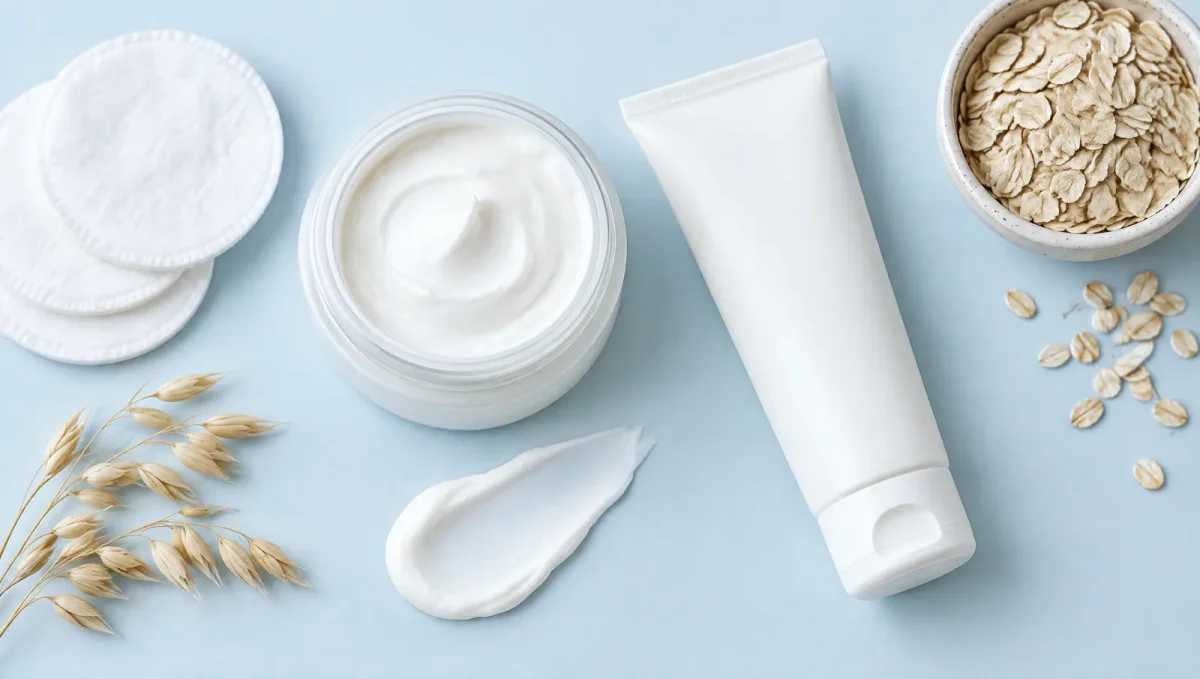
Many people in Iraq struggle with dry, rough, constantly itchy skin, especially on the legs, hands and arms. For some it is ordinary dryness that improves with daily care; for others the problem is eczema, which needs more attention. The good news is that simple, consistent steps make a clear difference to how comfortable your skin feels. In this article we explain the causes, suggest an easy daily routine, and make clear when you should see a doctor.
Why does skin get dry?
The outer layer of the skin works like a wall that keeps water in and keeps irritants out. When this wall is weakened, the skin loses moisture quickly and becomes rough, flaky and itchy. The most common causes include:
- Hot, dry summers: high heat, dry air and dust in Iraq draw moisture out of the skin.
- Air-conditioning and heaters: spending long hours in an air-conditioned room in summer, or next to a heater in winter, dries the air and your skin with it.
- Hot water and long showers: hot water strips away the natural oils that protect the skin.
- Harsh soaps: ordinary soap and scented washing products can be tough on sensitive skin.
- Age: as we get older, the skin produces less natural oil and becomes more prone to dryness.
- Eczema (atopic dermatitis): a long-term condition in which the skin barrier is weaker than normal. It is common in children and in people with a family history of allergies or asthma.
Everyday dryness or eczema?
Everyday dryness usually shows as roughness, light flaking and mild itching, and it improves clearly within days of regular moisturising.
Eczema usually comes in flare-ups. You may see redness or inflamed patches, intense itching that can disturb sleep, and sometimes cracks or oozing. In adults it often affects the inner elbows, backs of the knees and the hands; in babies it often appears on the face and cheeks. Daily moisturising is the foundation of care in both cases, but eczema may also need treatment decided by a doctor.
A simple daily routine for dry skin
1. Wash wisely
- Use lukewarm water, not hot.
- Keep showers short, about 5 to 10 minutes.
- Replace ordinary soap with a soap-free wash suitable for sensitive skin.
- Pat your skin dry with a towel instead of rubbing.
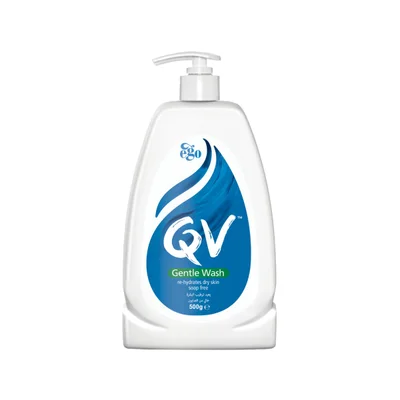
One option we stock is QV Gentle Wash, a soap-free wash designed for dry and sensitive skin that contains glycerin to help keep the skin hydrated while cleansing.
2. Moisturise within minutes
Apply your moisturiser within about three minutes of showering, while the skin is still slightly damp, to lock water into the skin. Moisturise at least twice a day, more often if the dryness is severe, and after washing your hands too. Do not be sparing: use enough to cover the whole area, smoothing it on in the direction of hair growth to reduce irritation of the hair follicles.
3. Choose fragrance-free products
Fragrances and dyes are among the most common irritants for dry, sensitive skin. Read the label and choose a product marked fragrance-free.
Cream, lotion or ointment?
The main difference is the ratio of oil to water. The heavier and greasier the product, the better it locks in moisture.
| Type | Texture | Best for |
|---|---|---|
| Lotion | Light and quickly absorbed | Mild dryness, large areas, hot weather and daytime |
| Cream | Medium thickness | Moderate to severe dryness, everyday use for most people |
| Ointment | Greasy and heavy | Very severe dryness and cracked areas, preferably at night |
For very dry skin, QV Moisturizing Cream for Severely Dry and Sensitive Skin (QV Cream) is a practical choice: it is a moisturising cream containing squalane, suitable for daily use all over the body, and it can be used by infants and older adults. Its large pack suits anyone who moisturises twice a day or more.
During an eczema flare-up
During a flare-up the skin is more irritated and sensitive. Keep using a gentle wash and moisturise often, and avoid scratching as much as you can: keep nails short and use a cool compress when the itch is intense. Wear soft cotton clothing and wash clothes with a mild, unscented detergent. Also notice what triggers your flare-ups, such as sweating, wool or certain fragrances.
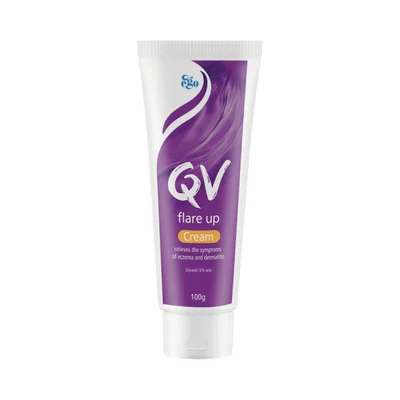
QV Flare Up Cream is a soothing emollient cream that helps relieve the symptoms of eczema and dermatitis. It contains glycerol and is free from lanolin, propylene glycol and fragrance. It is a moisturiser, not a medicine, and it can be used alongside any treatment your doctor prescribes.
Important: do not use cortisone (steroid) creams or any medicated cream on your own, and never use a cream that a doctor prescribed for someone else. Prescription treatments are for a doctor to decide after an examination, based on age, the affected area and how severe it is.
Babies and children
A child's skin is thinner than an adult's and loses moisture faster. So:
- Give short baths in lukewarm water with a gentle, soap-free wash.
- Moisturise the whole body straight after the bath with a fragrance-free product made for or suitable for children, such as QV Baby Skin Lotion for mild dryness.
- Do not use adult products containing exfoliating acids or strong ingredients on a child's skin.
- Dress your child in cotton and avoid overheating, as sweating can make itching worse.
Any widespread rash in a baby, or a rash with fever, drowsiness or refusal to feed, needs a doctor's review rather than moisturisers alone.
Cracked heels
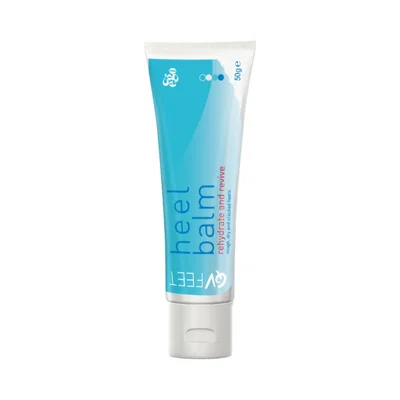
Heels are among the driest areas, especially with open sandals and walking barefoot in summer. Soak your feet in lukewarm water for a few minutes, dry them well, then apply a heel cream, ideally at night with cotton socks. QV Heel Balm combines rich moisturisers with alpha hydroxy acids that help exfoliate dead, dry skin. Do not apply it to wounds or bleeding cracks, and do not use it on children.
If you have diabetes, foot care matters even more. Check your feet daily, do not cut hard skin yourself, and see a doctor about any wound or crack that does not heal.
When to see a doctor
- If the skin shows signs of inflammation or infection: discharge or oozing, yellow crusts, pain or warmth, or sores.
- If the itching is severe and keeps you or your child from sleeping.
- If the skin does not improve within one to two weeks of regular care.
- If a baby has a widespread rash across the body.
- If the rash comes with fever or a general feeling of being unwell.
Frequently asked questions
Is eczema contagious?
No. Eczema is not contagious and does not spread by touch. However, affected skin can sometimes become infected, and then it needs a doctor's review.
Is drinking water enough to hydrate the skin?
Drinking water matters for general health, but on its own it does not fix dry skin. What really protects the skin is regular moisturising on the skin itself and avoiding what dries it out.
Can I use a body moisturiser on my face?
Some moisturisers suit both face and body, while others are for the body only. Read the label, choose a light, fragrance-free, non-pore-clogging product for the face, and ask the pharmacist if you are unsure.
Does eczema go away for good?
Eczema is a long-term condition that goes through calm periods and flare-ups. In many children it eases as they grow older. The aim of daily care is to reduce how often and how badly flare-ups happen and to keep the skin comfortable.
If you have any questions about your skin or your child's skin, or you are unsure which moisturiser to choose, message our pharmacist on WhatsApp and we will be happy to help.