Acne is one of the most common skin problems, and it is not just for teenagers: many young adults and women in their twenties and thirties have it too. The good news is that most mild and moderate cases improve a lot with a simple routine and well-studied ingredients, as long as you are patient and consistent. This guide explains what causes acne, the key active ingredients and how to use them, an easy daily routine, common mistakes, and when to see a dermatologist.
Why does acne happen?
Acne comes from four factors working together:
- Too much oil (sebum) from the oil glands.
- Pores clogged with dead skin cells.
- Acne bacteria multiplying inside the blocked pores.
- Inflammation, which causes redness and pain.
Hormones are the main driver, which is why acne appears in adolescence, flares in some women before their period, and is sometimes linked to polycystic ovary syndrome. Stress, some heavy makeup and medicines such as steroids can also contribute.
How severe is it?
- Mild: blackheads, whiteheads and a few small spots. Usually responds to topical treatment from the pharmacy.
- Moderate: more red, inflamed spots and pustules. May need stronger topical treatment or an antibiotic prescribed by a doctor.
- Severe: deep, painful nodules and cysts, or scarring. Always needs a dermatologist.
The key active ingredients
Salicylic acid
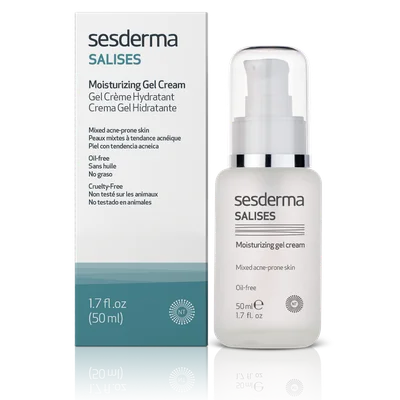
It dissolves in oil and gets inside pores to clear them from within, which makes it excellent for blackheads, whiteheads and oily skin. It comes in cleansers and moisturisers at low strengths. From our shelves, Sesderma Salises Moisturizing Gel is light and oil-free and contains salicylic acid to unclog pores and reduce breakouts, according to its description.
Benzoyl peroxide
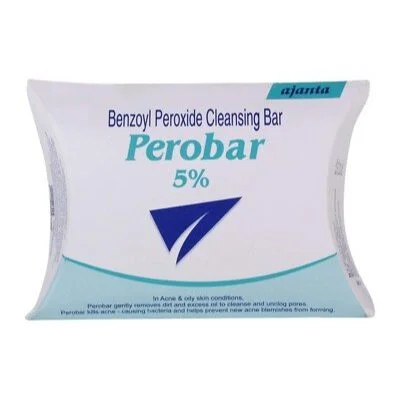
It kills acne bacteria and reduces inflammation, and bacteria do not become resistant to it. A 2.5% to 5% strength often works as well as 10% with less irritation. Be careful: it bleaches towels, clothes and pillowcases. Perobar 5% Soap contains 5% benzoyl peroxide to kill bacteria and unclog pores, according to its description. Leave the lather on your face for a minute or two before rinsing.
Azelaic acid
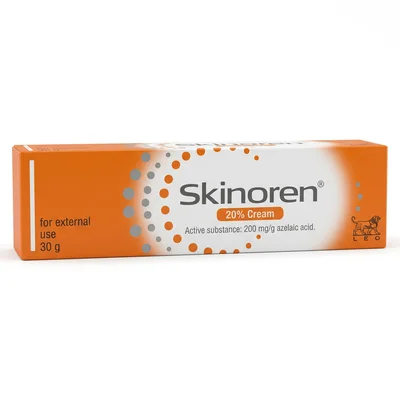
It reduces bacteria and inflammation and helps fade the dark marks spots leave behind, and it is relatively gentle. Skinoren Cream contains 20% azelaic acid and is used for mild to moderate acne and post-inflammatory dark marks, according to its description. It is considered one of the safer options in pregnancy, but ask your doctor first.
Retinoids
Such as adapalene and tretinoin. These are among the strongest topical treatments, because they stop pores clogging in the first place. Start two or three evenings a week with a pea-sized amount for the whole face, then increase gradually. They can cause dryness, peeling and a temporary flare of spots in the first weeks. Important warning: topical retinoids must not be used in pregnancy or when planning one, and isotretinoin tablets are strictly forbidden in pregnancy because they cause serious birth defects. Isotretinoin is given only under a dermatologist's supervision.
Niacinamide
A gentle ingredient that reduces redness and helps regulate oil. It works alongside most other ingredients, but on its own it is not enough for moderate acne.
A simple daily routine
- Morning: a gentle cleanser for oily skin, then a light non-comedogenic moisturiser, then sunscreen.
- Evening: the same cleanser, then your main treatment (such as benzoyl peroxide, azelaic acid or a retinoid, as your pharmacist or doctor advises), then moisturiser if your skin feels dry.
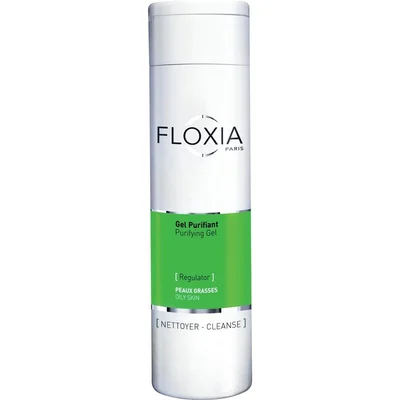
For cleansing, Floxia Regulator Purifying Foaming Gel Cleanser from our shelves is made for oily, combination and acne-prone skin, according to its description.
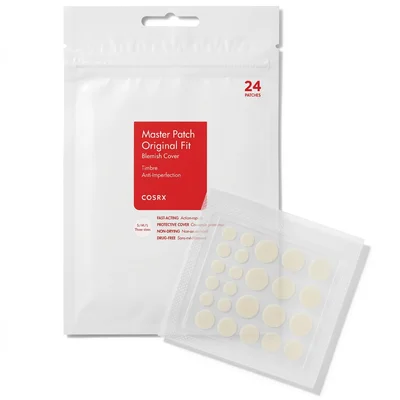
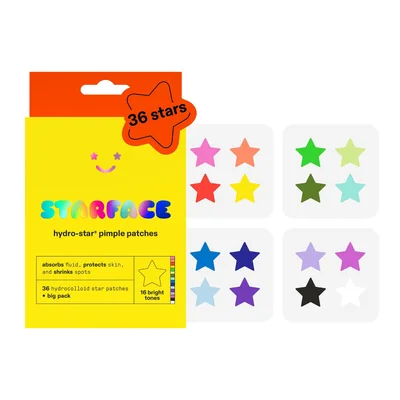
For a single inflamed spot, pimple patches stop you picking at it and help absorb fluid. Cosrx Acne Pimple Patches are hydrocolloid patches that protect blemishes from dirt and help them heal, according to their description.
See also our guide to choosing a sunscreen, because a light sunscreen prevents the dark marks spots leave behind.
Common mistakes
- Squeezing spots: it pushes inflammation deeper and causes scars and dark marks.
- Using every product at once: it causes severe irritation. Add one new product every two to three weeks.
- Stopping too soon: most treatments need 8 to 12 weeks to show results.
- Washing too often and scrubbing hard: it damages the skin and increases oil.
- Skipping moisturiser and sunscreen: oily skin needs them too, in light formulas.
- Harsh home remedies such as toothpaste or lemon on spots, which cause burns and dark marks.
Diet and supplements
Some studies link high-sugar foods and a lot of skimmed milk to more acne in some people, so notice whether they affect you. Supplements such as zinc may give a small benefit as an add-on in some studies, but they do not replace topical treatment, and high doses of zinc over a long time cause copper deficiency.
When should you see a dermatologist?
- Deep, painful spots or cysts, or scars starting to form.
- No improvement after 3 months of regular topical treatment.
- Acne with irregular periods or extra facial or body hair, which may point to a hormonal cause.
- Acne that appears suddenly after age 25, or with a new medicine.
- A big effect on your confidence and mood. That alone is reason enough for treatment.
Frequently asked questions
How long until I see results?
Usually 6 to 12 weeks of regular use. Keep going even if you see no difference in the first two weeks.
Can I combine benzoyl peroxide and a retinoid?
Yes, this is common, but it is best to use them at different times (for example one in the morning and one in the evening) or as your doctor advises, to reduce irritation.
Does oily skin need moisturiser?
Yes. Acne treatments dry the skin, and a light oil-free moisturiser reduces irritation and helps you keep going.
What is the difference between dark marks and scars?
Dark marks are a change in skin colour that fades with time, sunscreen and some brightening ingredients. Scars are a change in skin texture (pits), and are treated by a dermatologist. See our guide to dark spots and melasma.
Is acne contagious?
No. But keeping towels, pillowcases and your phone clean is good for your skin.
If you have a question about the right routine for your skin, message Green Heart Pharmacy on WhatsApp and we will be glad to help.