
The first months with a baby are full of questions. Does my baby need vitamins? When should I worry about a fever? What is the best treatment for nappy rash? What should I keep in the medicine cabinet? This guide brings together the most useful practical advice on the health of babies and young children for mothers and fathers, with important safety warnings, and when to see the paediatrician without delay.
Vitamin D for babies
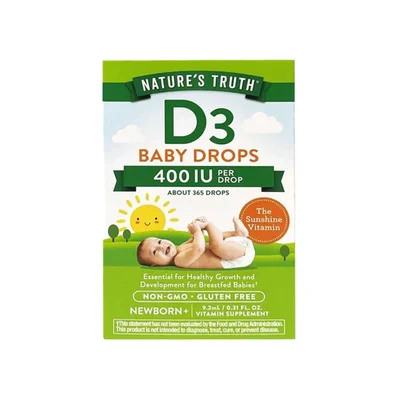
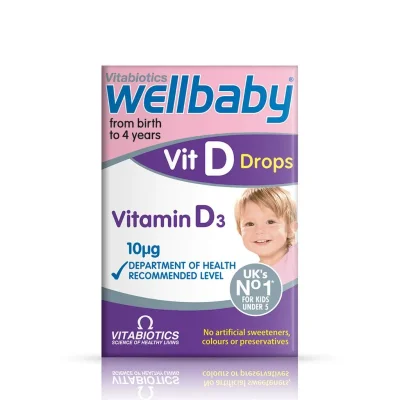
Breast milk is the best food for a baby, but it does not contain enough vitamin D. So babies who are fully or partly breastfed are usually advised to have 400 IU of vitamin D a day from the first days of life, as the paediatrician advises. Babies drinking a large amount of formula may not need it, because formula is fortified.
From our shelves, Decol Vitamin D3 Drops provide 400 IU per drop, according to their description, and are made for infants and young children.
Important warning: the strength of vitamin D drops varies a lot between brands, and some contain 10,000 IU or more per ml, meant for treating deficiency in adults. Read the strength on the pack, use only the dropper provided, and ask your pharmacist if you are unsure. See also our guide to vitamin D.
Iron
Babies are born with iron stores that last roughly the first 4 to 6 months. After that they need iron from food. When you start solid foods at around 6 months, focus on iron-rich foods such as puréed meat, lentils and fortified cereals. Some babies, such as those born early or with a low birth weight, need an iron supplement sooner, and this is the paediatrician's decision. Keep all iron supplements out of children's reach, because they are very dangerous if swallowed in large amounts.
Fever: how to measure it and when to worry
- A temperature of 38°C or higher is a fever.
- A digital thermometer is the most accurate. For very young babies, a rectal or underarm reading with a digital thermometer is best, and forehead thermometers are fine for a quick check.
- Any temperature of 38°C or more in a baby under 3 months old needs a doctor straight away, even if the baby seems well.
- How your child seems matters more than the number. Are they feeding? Do they play when the fever comes down? Are they wetting nappies?
Fever medicine is given for the child's comfort, not just to bring the number down. Paracetamol is suitable from the early months, and the dose is based on weight, not age. Cetal Drops contain paracetamol at 100 mg per 1 ml to relieve pain and fever in infants and children, according to their description.
- Watch the strength: drops are much stronger than syrup. Giving the same amount of drops as you would of syrup causes a dangerous overdose. Use only the syringe or dropper that comes with that product.
- Do not exceed the number of daily doses on the pack, and leave 4 to 6 hours between doses.
- Children's ibuprofen is not usually given before 3 months of age or at a low weight, and should not be given to a dehydrated child.
- Never give aspirin to children.
Nappy rash
Redness in the nappy area is very common. It is caused by moisture, rubbing and contact with urine and stool. Prevention and treatment:
- Change the nappy as soon as it is wet or dirty.
- Clean the area with lukewarm water and pat it dry well, and use fewer scented wipes.
- Leave your baby without a nappy for short periods each day to let the skin breathe.
- Apply a layer of barrier cream at every change.
Sudocrem is an antiseptic barrier cream used to treat nappy rash, according to its description. It forms a layer that protects the skin from urine and stool.
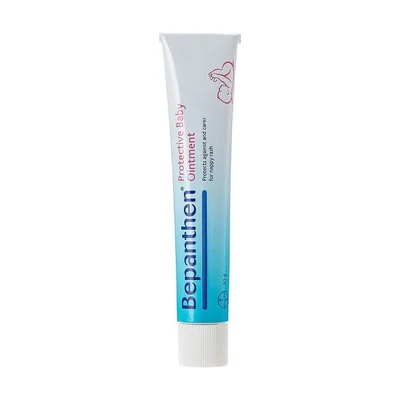
Bepanthen Ointment contains dexpanthenol, which helps irritated skin heal and protects it, according to its description.
If the rash is shiny red with small red dots around it, or does not improve within 2 to 3 days, it may be a fungal rash that needs treatment from a doctor.
Other common skin problems
- Heat rash: tiny red spots on the neck and back with heat and sweating, very common in the Iraqi summer. The fix is light cotton clothing and not overheating the baby.
- Cradle cap: yellow scales on the scalp. Harmless, and it improves with washing and gentle brushing.
- Dry skin and eczema: use a fragrance-free moisturiser after bathing. See our guide to dry skin and eczema.
Colic and wind
Colic crying usually starts in the first weeks and often improves by 3 to 4 months. Help your baby burp during and after feeds, and try holding them and gently massaging their tummy. Simethicone drops may soothe some babies. See our guide to digestive health. Severe, constant crying with vomiting, fever or refusing feeds needs a doctor.
Diarrhoea and dehydration
Babies become dehydrated faster than adults. With diarrhoea or vomiting, keep breastfeeding and give oral rehydration solution in small, frequent sips as your pharmacist advises. Signs of dehydration: fewer wet nappies, a dry mouth, crying without tears, a sunken soft spot on the head, and drowsiness.
Safe sleep
- Always put your baby to sleep on their back, on a firm mattress.
- No pillows, toys or heavy blankets in the cot.
- Avoid overheating, and keep cigarette smoke well away from your baby.
Preparing formula
Boil the water and let it cool a little before preparing the feed, and follow the number of scoops on the tin exactly. Milk made too strong or too weak is harmful for a baby. Sterilise bottles well, and do not keep leftover milk for a later feed.
Vaccinations
Stick to the vaccination schedule at your health centre. It is the most important protection for your child against serious diseases. A mild fever and irritability after vaccines are common and can be eased with paracetamol dosed by weight.
Your baby's medicine cabinet
- A digital thermometer.
- Paracetamol in the form and strength for your child's age, with its own measuring tool.
- Oral rehydration solution.
- A barrier cream for nappy rash.
- Saline nose drops or spray.
- Vitamin D drops.
- The paediatrician's number and the nearest emergency department.
When to see a doctor straight away
- A temperature of 38°C or more in a baby under 3 months.
- Difficulty breathing, blue lips, or grunting with each breath.
- Severe drowsiness, or difficulty waking your child.
- Refusing feeds, signs of dehydration, or repeated vomiting (especially if green).
- A rash that does not fade when you press a glass against it.
- Seizures, or unusual crying that will not settle.
Frequently asked questions
When should I start solid food?
Usually at around 6 months, while continuing milk feeds, and as the paediatrician advises.
Should I give my baby water in summer?
Babies under 6 months usually get all the water they need from milk, even in the heat. Offer more feeds rather than water, unless the doctor advises otherwise.
Does my child need a multivitamin?
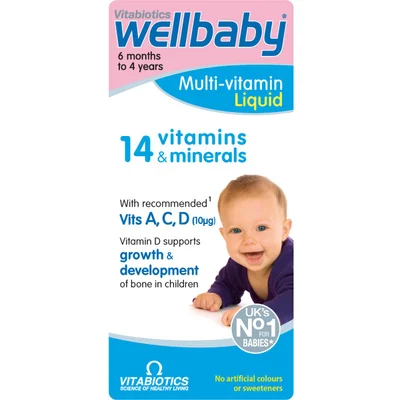
Most healthy children who eat well do not. Vitamin D for babies is the most important, and other supplements depend on need and the doctor's advice.
When should I worry about newborn jaundice?
Mild yellowing is common in the first days, but jaundice in the first 24 hours, severe jaundice, jaundice lasting more than two weeks, or jaundice with drowsiness and poor feeding needs urgent attention.
If you have a question about a medicine dose or the right product for your child, message Green Heart Pharmacy on WhatsApp and we will be glad to help.