Bloating, gas, constipation and heartburn are among the most common complaints we hear at the pharmacy. Most are minor and improve with changes to food and daily habits, but some need treatment or a check-up with a doctor. This guide explains the most common digestive problems and what actually helps, the role of fibre and probiotics, and the warning signs you should not ignore.
Daily habits for better digestion
- Eat slowly and chew well: eating fast means swallowing more air and more bloating.
- Smaller, more regular meals: rather than one big meal late at night.
- Fibre and water together: vegetables, fruit, pulses and whole grains, with enough water.
- Movement: a walk after meals helps the bowel move.
- Stress: the gut is strongly affected by anxiety and poor sleep, which is very clear in irritable bowel syndrome (IBS).
Bloating and gas
Gas is a normal part of digestion, but it increases with some foods such as pulses, onions, cabbage, fizzy drinks and chewing gum, and with eating quickly. Steps that help:
- Cut down on the foods you notice make you gassy, rather than cutting everything out.
- If bloating gets worse with milk, you may be lactose intolerant. Try yoghurt or lactose-free milk.
- Mint, fennel and cumin are traditional drinks many people find soothing.
- Simethicone medicines may ease gas. Digestive enzymes have not been shown to help most people.
For babies with gas and colic, Hayat Deflat Simethicone Drops are made to relieve gas and colic in infants and young children, according to their description. Long periods of crying in a baby can have other causes, so see the paediatrician if it continues.
Constipation
Constipation means passing stools fewer than three times a week, or stools that are hard, difficult and painful to pass. What helps:
- Fibre, gradually: increasing it suddenly causes bloating. Adults need roughly 25 to 30 g a day.
- Water: fibre without water can make constipation worse.
- Going when you feel the urge, rather than putting it off. Resting your feet on a small stool on the toilet makes it easier.
- Dates, prunes and kiwi help many people.
If food is not enough, bulk-forming fibre such as psyllium (ispaghula) husk is a gentle option. Fybogel is a fibre drink containing natural ispaghula husk to regulate the bowel, according to its description. Drink it with a full glass of water, and do not take it right before bed.
Stimulant laxatives such as senna are for short-term use only. Magnesium supplements can soften stools, but they are not suitable for people with kidney disease without a doctor's advice.
Diarrhoea
Most sudden diarrhoea is caused by viruses or contaminated food and gets better within days. The most important thing is replacing fluids and salts, especially in children and older people, using oral rehydration solution from the pharmacy, while continuing light meals and breastfeeding for babies.
- Fizzy drinks and sweetened juices do not replace salts and can make diarrhoea worse.
- Anti-diarrhoea medicines are not suitable for young children, and should not be used with a high fever or blood in the stool.
- Most diarrhoea does not need an antibiotic. That is the doctor's decision.
Probiotics: what do we actually know?
Probiotics are beneficial bacteria or yeasts. Studies show that their benefit depends on the type (strain) and the condition. Not all probiotics are the same:
- Antibiotic-related diarrhoea: one of the best-studied uses, especially the yeast Saccharomyces boulardii and some Lactobacillus strains.
- Acute diarrhoea in children: some types may shorten it slightly.
- IBS: some people find them helpful, and results vary.
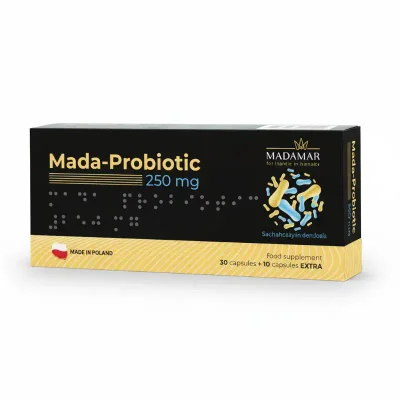
From our shelves, MadaMar Mada-Probiotic contains the beneficial yeast Saccharomyces boulardii, according to its description. Because it is a yeast, it is not affected by antibacterial antibiotics, so it can be taken at the same times as your antibiotic.
Enterogermina contains antibiotic-resistant Bacillus clausii spores, according to its description, and is used to restore the balance of gut bacteria.
Probiotics are usually safe for most people, but anyone with severely weakened immunity, an intravenous line or a serious illness should ask their doctor before using them.
Heartburn and reflux
- Cut down on fatty and spicy meals, coffee and fizzy drinks, and do not lie down within 3 hours of eating.
- Raise the head of your bed slightly if heartburn comes at night, lose excess weight, and stop smoking.
- Antacids give quick relief. Medicines that reduce acid production are for a set period, and anyone who needs them constantly should see a doctor.
H. pylori (stomach bacteria)
Helicobacter pylori is common in Iraq and can cause stomach inflammation and ulcers. It is diagnosed with a stool test or breath test, and treated with a combination of medicines your doctor prescribes for a set period. Do not take H. pylori treatment without a diagnosis, and do not stop the course early.
When should you see a doctor?
- Blood in the stool, black sticky stools, or vomiting blood.
- Unexplained weight loss, anaemia, or difficulty swallowing.
- A lasting change in bowel habit, especially after the age of 45 to 50.
- Severe or persistent tummy pain, or symptoms that wake you at night.
- Diarrhoea with dehydration (little urine, dizziness, dry mouth), a high fever, or lasting more than 3 days in adults.
- A baby or young child with repeated diarrhoea or vomiting and signs of dehydration: urgent.
- Heartburn that needs treatment for more than two weeks.
Frequently asked questions
Do I need a probiotic every day?
Not necessarily. A varied diet and yoghurt are enough for many people. Probiotics are useful in specific situations, such as during a course of antibiotics.
How long until fibre works?
Usually a few days. Bloating may increase at first and then ease if you increase fibre gradually with water.
Are digestive enzymes useful?
They are useful for specific medical conditions such as pancreatic insufficiency, on prescription. For ordinary bloating the evidence is weak.
Is IBS dangerous?
It does not cause lasting damage to the bowel, but it is uncomfortable. It is diagnosed after other causes are ruled out, and treatment is based on diet, managing stress and medicines for specific symptoms.
Can babies have probiotics?
There are types made for babies and children, but ask the paediatrician first about the type and dose.
If you have a question about a digestive problem or the right product for you or your child, message Green Heart Pharmacy on WhatsApp and we will be glad to help.