
Omega-3 is one of the best-selling supplements in the world, and one that raises the most questions at the pharmacy. Does it really help the heart? Does it improve memory? How many capsules should I take? Why do prices vary so much between brands? This guide explains what omega-3 is, what studies have and have not shown, how to read the pack to find the real dose, and when to be careful.
What is omega-3?
Omega-3s are a group of essential fatty acids, meaning the body cannot make enough of them and we need to get them from food. The three most important are:
- EPA and DHA: found in oily fish such as salmon, sardines, mackerel and tuna. These are the two types most research focuses on.
- ALA: found in plant sources such as flaxseed, walnuts and chia seeds. The body converts only a small part of it into EPA and DHA.
DHA is a key building block of the brain and the retina, which is why it matters especially in pregnancy and for children's development.
What do studies say about the benefits?
Triglycerides
This is the clearest benefit. High doses of EPA and DHA (usually 2 to 4 g a day) clearly lower raised triglycerides. But these are treatment doses taken under a doctor's supervision, not the usual daily supplement dose.
The heart
Eating fish twice a week is linked to better heart health. For supplements in healthy people the results are mixed, and some large studies found no clear benefit in preventing heart attacks in people without heart disease. Your doctor decides whether a heart patient needs a specific dose.
Brain, memory and mood
DHA is essential for building the brain in the unborn baby and the child. In adults, the evidence that omega-3 improves memory or prevents dementia is still not enough. Some studies suggest a small benefit from EPA-rich forms as an add-on treatment for depression, but it does not replace the treatment your doctor prescribes.
Joints and eyes
Omega-3 may ease joint stiffness in some people with rheumatoid arthritis as an add-on treatment. Results for dry eyes are mixed.
Who might benefit from an omega-3 supplement?
- People who hardly eat fish.
- Pregnant and breastfeeding women, because DHA matters for the baby's brain and eyes.
- People with high triglycerides, under a doctor's supervision.
- Children who do not eat fish, at doses made for their age.
How to read the pack: the number that matters is not 1000 mg
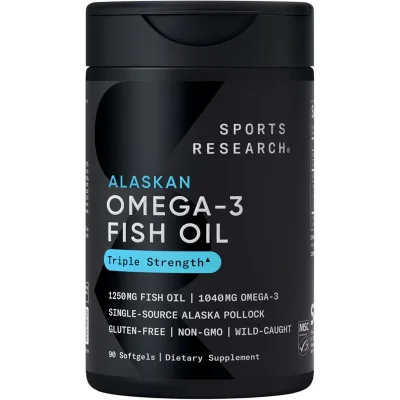
The most common mistake is looking at "fish oil 1000 mg" on the pack. That is the weight of all the oil, not the amount of useful omega-3. What matters is the total EPA + DHA per capsule, and it varies a lot between products: in many ordinary capsules it is only about 300 mg, and more in concentrated forms.
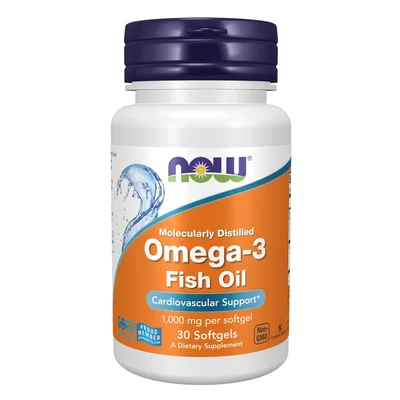
A clear example: NOW Omega-3 contains 1000 mg of fish oil per softgel, of which 360 mg is EPA and 240 mg is DHA, according to its description. That is 600 mg of actual omega-3.
Other tips when choosing:
- Choose a known brand that states the EPA and DHA amounts clearly.
- Some brands mention purity testing for heavy metals, which is a plus.
- If the fishy taste or burping bothers you, try enteric-coated capsules, take them with food, or keep them in the fridge.
From our shelves, AG Omega 3 comes in enteric-coated softgels designed to reduce fishy aftertaste, according to its description.
What dose is right?
- Healthy adults: many health bodies advise the equivalent of 250 to 500 mg of EPA and DHA a day, which you can get by eating oily fish twice a week or taking a daily capsule.
- Pregnancy and breastfeeding: about 200 mg of DHA a day on top of general needs is usually advised, often included in dedicated pregnancy vitamins.
- High triglycerides: much higher doses, set by your doctor.
For pregnancy, Vitabiotics Pregnacare Plus Omega-3 combines pregnancy vitamins and minerals with omega-3 in one pack, according to its description. See our guide to pregnancy vitamins.
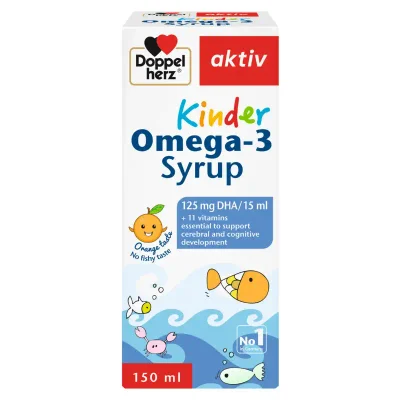
For children, Doppelherz Kinder Omega-3 Syrup combines fish oil with vitamins A, D3, C, E and a range of B vitamins, according to its description. Give it at the dose for the child's age shown on the pack or as the paediatrician advises.
Fish oil or cod liver oil?
Cod liver oil contains omega-3 but also vitamin A and vitamin D. That suits some people, but vitamin A builds up in the body, and high doses are not suitable in pregnancy. So do not combine cod liver oil with other supplements containing vitamin A without asking your pharmacist.
Safety and interactions
- Blood thinners: anyone taking warfarin, aspirin or clopidogrel should ask their doctor before high doses, because they may slightly increase the risk of bleeding.
- Before surgery: tell your doctor you take omega-3. They may ask you to stop it a few days beforehand.
- Heart rhythm problems: some studies found a small increase in the risk of atrial fibrillation with high doses, so people with heart rhythm problems should ask their doctor first.
- Fish allergy: be careful and ask your doctor before taking fish oil.
- Common side effects: fishy burps, mild stomach upset, and sometimes diarrhoea at high doses.
Storage
Omega-3 oxidises with heat and light. Keep the pack in a cool, dry place away from the sun, and do not leave it in the car in the Iraqi summer. If the capsules smell very strongly and unpleasantly of fish when you open the pack, they may have gone off.
When should you see a doctor?
- If you take blood thinners or have a bleeding disorder.
- If you have heart disease or a heart rhythm problem.
- If your triglycerides are very high, because treatment may need medicine and specific doses.
- If you notice unusual bruising or bleeding from the gums or nose.
- Before giving supplements to babies.
Frequently asked questions
When should I take omega-3?
With a meal that contains some fat. This improves absorption and reduces burping. The time of day does not matter.
Does omega-3 lower cholesterol?
Its clearest effect is on triglycerides, not on "bad" LDL cholesterol. Treating cholesterol needs a doctor's assessment.
Is eating fish enough?
For many people, yes. Two meals of oily fish a week provide a good amount. A supplement is useful for people who do not eat fish.
Is plant omega-3 the same as fish oil?
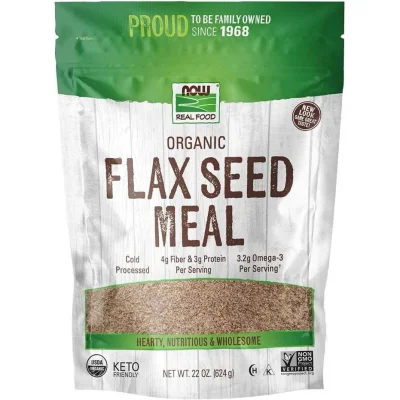
Flaxseed oil contains ALA, and the body converts only a small part of it into EPA and DHA. For vegetarians, algae oil provides DHA directly.
Does omega-3 cause weight gain?
One capsule contains very few calories (about 10), and it does not cause weight gain at usual doses.
If you have a question about which omega-3 suits you or how it interacts with your medicines, message Green Heart Pharmacy on WhatsApp and we will be glad to help.