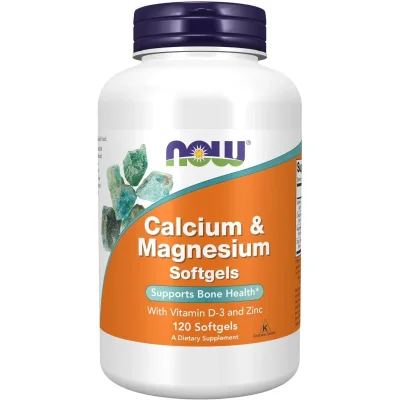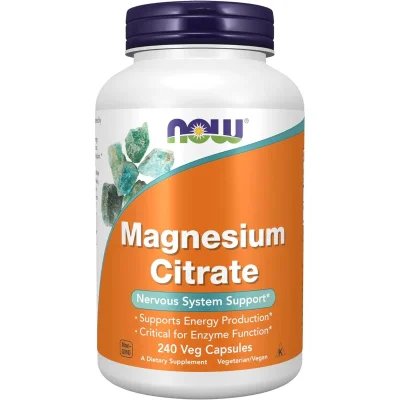

Calcium and magnesium are essential minerals for bones, muscles and nerves, and their supplements are among the most requested at the pharmacy, especially by women over forty and older adults. But does everyone need them? How much? Which type is best? Are there side effects or interactions with medicines? This guide answers simply, with the focus on food first and safe use of supplements.
Calcium: the foundation of bones
About 99% of the body's calcium is in the bones and teeth, and the rest is essential for muscles, the heart and nerves. Bone density peaks in our twenties and then slowly declines, and the loss speeds up in women after menopause because of falling oestrogen, which is why they are more prone to osteoporosis.
How much do we need each day?
- Adults up to 50: about 1,000 mg a day from food and supplements combined.
- Women over 50 and men over 70: about 1,200 mg a day.
- Teenagers: about 1,300 mg, because they are still building bone.
Food first: a glass of milk or yoghurt has roughly 300 mg, a piece of cheese about 200 mg, and tinned sardines with bones, sesame (tahini), almonds and leafy greens are good sources too. Many people get much of what they need from food and only need a supplement to make up the gap.
Types of calcium supplement
- Calcium carbonate: high in calcium and cheaper, but needs stomach acid, so take it with food. It can cause constipation and bloating in some people.
- Calcium citrate: absorbed with or without food, and better for older adults and people taking heartburn medicines.
The body absorbs calcium better in small doses, so do not take more than 500 mg at a time, and split larger doses.
Vitamin D: calcium's partner
Without enough vitamin D the body cannot absorb calcium well, and deficiency is very common in Iraq. That is why many supplements combine the two. Check your vitamin D level, and see our guide to the benefits of vitamin D.
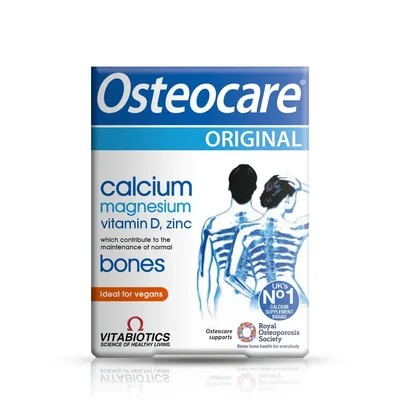
From our shelves, Vitabiotics Osteocare combines calcium with vitamin D3, magnesium and zinc to support bones and teeth, according to its description.
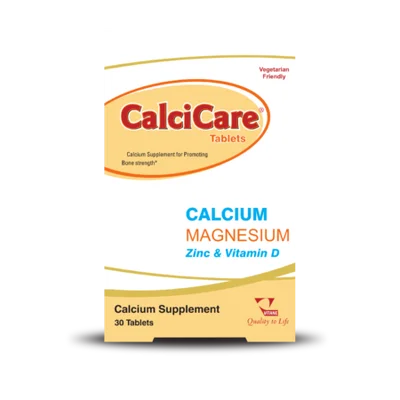
Vitane CalciCare contains calcium with vitamin D3 to support bone health and help prevent osteoporosis, according to its description.
Magnesium
Magnesium takes part in hundreds of reactions in the body and matters for muscle and nerve function, heart rhythm and blood sugar, and it is also part of bone. Food sources: nuts such as almonds and cashews, seeds, pulses, leafy greens, whole grains and dark chocolate.
Who might be low?
- People whose diet is low in vegetables, nuts and whole grains.
- People with poorly controlled diabetes, chronic diarrhoea or bowel disease.
- People taking some diuretics, or proton pump inhibitor heartburn medicines long term.
- Older adults.
Signs of deficiency may include muscle cramps, tiredness and tingling, but they are not specific, and a blood test and your doctor determine the cause.
What about sleep and stress?
Magnesium is very popular for sleep, relaxation and night-time leg cramps. Studies suggest a possible benefit for some people, especially those who are deficient, but the results are not strong or consistent. You can try a moderate dose in the evening, and if you notice no difference within a few weeks there is no need to continue.
Types of magnesium supplement
- Glycinate: gentle on the stomach and less likely to cause diarrhoea.
- Citrate: well absorbed, and may soften stools, so it suits people with constipation.
- Oxide: high in magnesium but less well absorbed, and causes more diarrhoea.
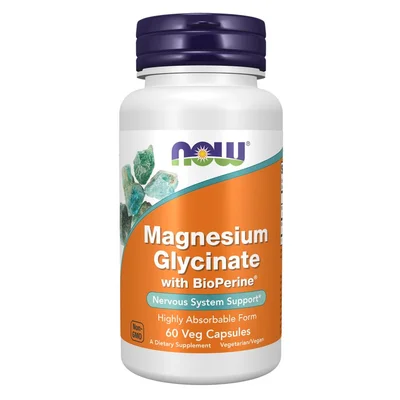
NOW Magnesium Glycinate from our shelves is enhanced with BioPerine to improve absorption, and supports muscle relaxation, nerve function and sleep quality, according to its description.
Vitabiotics Ultra Magnesium provides 375 mg of magnesium per serving, 100% of the daily reference value, according to its description.
Safety and interactions
- Calcium and kidney stones: calcium supplements may increase the risk of stones in people prone to them, while calcium from food usually does not. Anyone with a history of stones should ask their doctor.
- Do not exceed your needs: large doses of calcium supplements give no extra benefit. A supplement should only fill the gap left by food.
- Separate from medicines: calcium and magnesium reduce the absorption of thyroid medicine (levothyroxine), iron, some antibiotics (such as doxycycline and ciprofloxacin) and bisphosphonate osteoporosis tablets. Usually leave two to four hours between them, and ask your pharmacist for exact timing.
- Calcium and iron: do not take them together. See our guide to anaemia and iron deficiency.
- Kidney disease: people with kidney disease should not take magnesium or calcium supplements without their doctor's supervision, because the kidneys may not clear the excess.
- Diarrhoea: the most common side effect of magnesium. It eases with a lower dose or a different type.
More than supplements: protecting your bones
- Weight-bearing and resistance exercise, such as walking, climbing stairs and light weights.
- Enough protein in your diet.
- Stopping smoking and cutting down on alcohol.
- Preventing falls in older adults: good lighting, non-slip floors and eye checks.
- A bone density scan for women at 65, or earlier with risk factors such as a previous fracture, long-term steroid use or low body weight.
When should you see a doctor?
- A fracture from a minor fall, clear loss of height, or a curving back.
- Repeated muscle cramps, or tingling around the mouth and fingers.
- A history of kidney stones or kidney disease, before starting any supplement.
- If you take long-term medicines and want to check for interactions.
- Nausea, severe constipation, thirst and frequent urination while taking supplements, which may be signs of high calcium.
Frequently asked questions
Should I take calcium and magnesium together?
You can, and many products combine them. But with large doses, splitting them across different times may improve absorption.
When is the best time to take calcium?
Calcium carbonate with a meal, and citrate at any time. Keep it apart from iron and thyroid medicine.
Is milk enough for my bones?
It is an excellent source, but bone health also needs vitamin D, protein and movement.
Is magnesium safe in pregnancy?
At usual dietary amounts it is generally safe, but any supplement in pregnancy should be taken on your doctor's advice. See our guide to pregnancy vitamins.
Does calcium cause constipation?
Calcium carbonate can cause constipation in some people. Drinking water, eating fibre or switching to citrate may help.
If you have a question about which supplement suits you or how it interacts with your medicines, message Green Heart Pharmacy on WhatsApp and we will be glad to help.