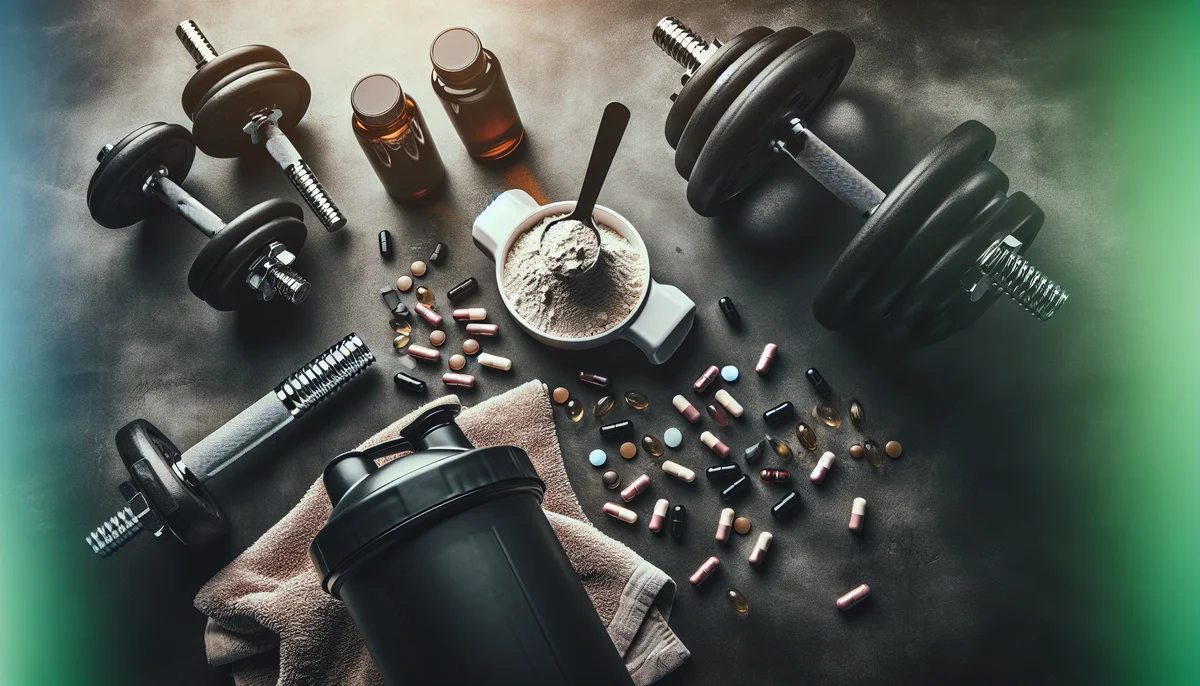
With gyms opening all over Iraq, supplement questions are some of the most common we hear. Do I need protein? Is creatine safe? What are "fat burners"? The truth is that most results come from regular training, good food and enough sleep, and only a few supplements have strong scientific evidence. This guide explains what actually works, what is a waste of money, and what is dangerous for your health.
The basics before any supplement
- Food: meals with protein, carbohydrates and vegetables, spread across the day.
- Sleep: 7 to 9 hours, because muscles recover and grow while you sleep.
- Regular, progressive training: gradually increasing weights or duration.
- Fluids: especially in the Iraqi heat.
A supplement adds to these basics. It does not replace them.
Supplements with strong evidence
Protein
People training regularly to build muscle usually need about 1.4 to 2 g of protein per kilogram of body weight a day, from food and supplements combined. You can reach this with eggs, chicken, meat, fish, yoghurt and pulses. Protein powder is not essential, but it is an easy way to make up the difference, especially after training or for people who struggle to eat enough.
Whey protein is digested quickly and is rich in essential amino acids. From our shelves, OstroVit Whey Protein is a whey protein powder that supports muscle growth and recovery, according to its description.
- People with a milk allergy or lactose intolerance may not tolerate some whey products. "Isolate" types contain less lactose.
- People with kidney disease should not increase protein without asking their doctor.
- Protein beyond your needs does not build extra muscle. It is used for energy or stored as fat.
Creatine
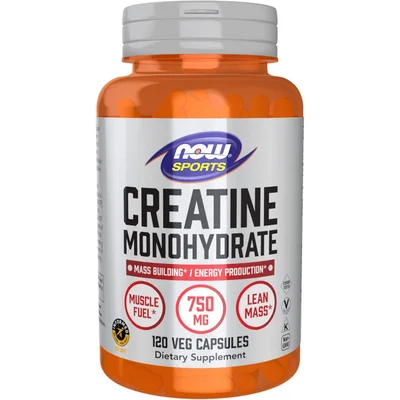
Creatine is one of the most studied supplements in sport. It helps increase strength and performance in short, intense exercise such as weightlifting and sprinting. The usual dose is 3 to 5 g a day, and there is no need for a high-dose "loading" phase.
NOW Sports Creatine Monohydrate contains 750 mg of creatine per capsule, according to its description, so you need several capsules to reach 3 to 5 g. Follow the dose on the pack.
- Gaining a kilo or two at first is normal. It is water inside the muscles, not fat.
- In healthy people, creatine at usual doses is considered safe in studies. Anyone with kidney disease or taking medicines that affect the kidneys should ask their doctor first.
- Creatine can slightly raise "creatinine" on kidney blood tests, so tell your doctor you take it before testing.
- Drink enough water.
Caffeine
Caffeine improves performance and endurance for many people. A coffee an hour before training is usually enough. But high doses cause palpitations, anxiety and poor sleep, and are not suitable for people with heart disease or uncontrolled blood pressure, or in pregnancy. Be careful with energy drinks and "pre-workout" supplements, which can contain a lot of caffeine plus other stimulants, and do not combine them.
Supplements with weak evidence or no real need
- BCAAs: if you eat enough protein, they usually add nothing.
- Glutamine: does not improve muscle growth in healthy people.
- Fat burners: mostly caffeine and stimulants at a high price, and some have been linked to heart and liver problems.
- Herbal testosterone boosters: do not meaningfully change hormone levels in most people.
Important warning: steroids and contaminated products
- Anabolic steroids and SARMs are not supplements. They can cause heart and liver problems, infertility, breast growth in men, acne, mood swings, and stunted growth in teenagers.
- Some supplements sold online or without a clear source have been found to contain hidden steroids or medicines not listed on the label.
- Buy from a trusted source, choose known brands, ideally with independent third-party testing. Athletes in official competitions need tested products, because they could fail a doping test.
Training in the Iraqi heat
- Train early in the morning, in the evening, or somewhere air-conditioned.
- Drink before, during and after training. Do not wait until you are thirsty.
- With heavy sweating over a long session, you need to replace salts too, not just water.
- Signs of heatstroke: severe headache, dizziness, nausea, confusion, hot skin, and sometimes no sweating. Stop training immediately, move somewhere cool, cool the body down, and get medical help straight away, because heatstroke is an emergency. If you are alone, tell someone nearby or call an ambulance rather than waiting.
Nutrients some athletes need
- Vitamin D: deficiency is common and affects bones and muscles. See our guide to vitamin D.
- Iron: especially for female athletes and runners, and not to be taken without a blood test. See our guide to iron deficiency.
- Magnesium: important for muscles, and usually available from food. See our guide to calcium and magnesium.
Teenagers and supplements
A teenager who trains needs enough food and good sleep before any supplement. Protein from food is enough for most, creatine and pre-workout products should only be used after asking a doctor, and steroids are very dangerous at this age.
When should you see a doctor?
- Chest pain, palpitations or fainting during exercise: stop immediately and get help.
- Very dark urine with severe muscle pain after a hard workout, which may be muscle breakdown (rhabdomyolysis) needing urgent treatment.
- Before using supplements if you have kidney disease, heart disease, high blood pressure or diabetes.
- If you have used steroids and want to stop, or have side effects.
Frequently asked questions
When should I take protein?
Your total daily protein matters more than timing. Taking it after training or with a low-protein meal is a convenient option.
Do I need supplements if I train just for fitness?
Usually not. Good food is enough for most people who train for health and fitness.
Is creatine only for men?
No. It helps both men and women in strength training, but pregnant and breastfeeding women should ask their doctor first.
Does protein harm the kidneys?
In healthy people, usual amounts do not harm the kidneys. People with kidney disease need an amount set by their doctor.
If you have a question about a particular supplement or its ingredients, message Green Heart Pharmacy on WhatsApp and we will be glad to help.