Sunscreen is the most important product in any skincare routine, especially in a country like Iraq where the sun is strong most of the year. It does more than prevent sunburn: it reduces dark spots, melasma and early wrinkles, and lowers the long-term risk of skin cancer. This guide explains what the numbers and symbols on the pack mean, how to choose the right sunscreen for your skin type, and how much to apply and how often to reapply.
Why do we need sunscreen all year round?
Sunlight contains two types of ultraviolet rays that affect the skin:
- UVB: causes redness and sunburn, and is strongest in summer and around midday.
- UVA: goes deeper into the skin and is the main cause of pigmentation and premature ageing. It is present all year, even on cloudy days, and passes through car and window glass.
So sunscreen is not just for summer or the beach. It is for every day you go out or sit near a window.
What does SPF mean?
SPF measures protection against UVB (burning) only:
- SPF 15 blocks about 93% of UVB rays.
- SPF 30 blocks about 97%, the minimum dermatologists recommend for daily use.
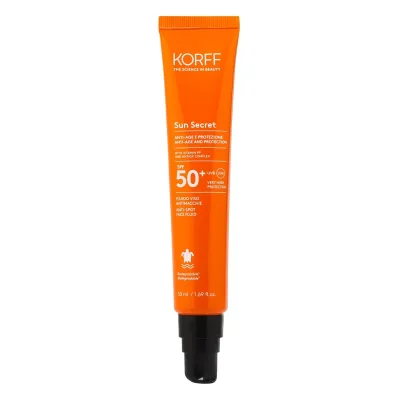
- SPF 50 blocks about 98%, the better fit for Iraqi sunshine and for skin prone to pigmentation.
The gap between 30 and 50 looks small, but it matters for people who spend long periods outdoors. More important than the number is applying enough and reapplying.
What about UVA protection?
SPF alone is not enough. Look on the pack for "broad spectrum", the UVA symbol inside a circle, or a PA rating such as PA+++ or PA++++ on Asian products. The more plus signs, the higher the UVA protection.
Chemical or mineral sunscreen?
- Chemical (organic) filters: absorb the rays. They usually feel light and invisible and suit most skin types. A few people with very sensitive skin feel stinging, especially around the eyes.
- Mineral filters (zinc oxide and titanium dioxide): reflect and absorb rays on the skin's surface. They are gentle on sensitive skin but can leave a slight white cast.
- Many modern sunscreens combine both for high protection and a comfortable feel.
The right sunscreen is the one you are happy to wear every day, not necessarily the most expensive.
How to choose for your skin type
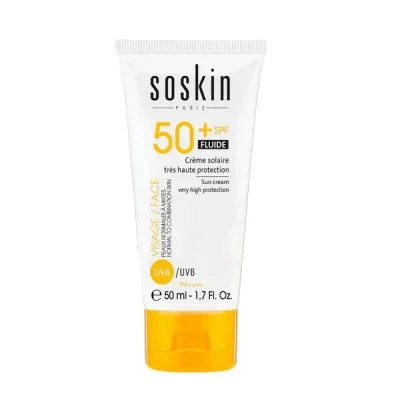
For daily use with a light feel: fluid sunscreens absorb quickly and sit well under makeup. From our shelves, Floxia Protexio Fluide Invisible SPF50 offers high UVA and UVB protection in a light, non-greasy formula that leaves no white cast, according to its description.
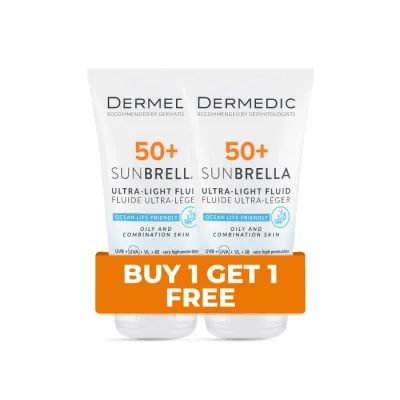
For oily and combination skin: choose a light fluid or gel with a dry finish that is labelled non-comedogenic. Dermedic Sunbrella Ultra-Light Fluid SPF50+ is formulated for oily and combination skin, according to its description.
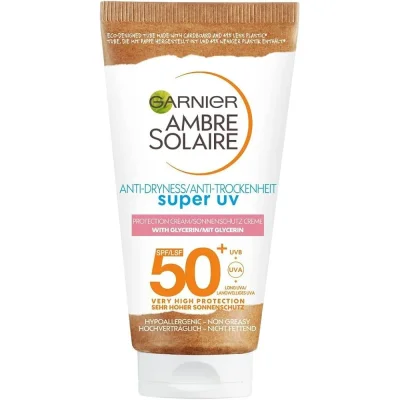
For dry skin: creams rich in moisturisers prevent tightness and flaking. Garnier Ambre Solaire Anti-Dryness SPF 50+ is designed for dry and dehydrated skin with intense hydration, according to its description.
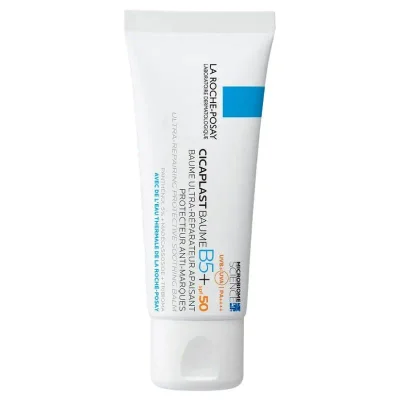
For sensitive or irritated skin: choose simple, fragrance-free formulas where possible, ideally with mineral filters or soothing ingredients. La Roche-Posay Cicaplast Baume B5 SPF 50+ is made to protect sensitive and irritated skin from the sun, according to its description.
For acne-prone skin: avoid heavy, oily creams and choose light fluids labelled non-comedogenic. Acne is not a reason to skip sunscreen, especially with treatments such as retinoids that make skin more sun-sensitive.
For skin prone to melasma and dark spots: tinted sunscreens containing iron oxides also protect against visible light, which worsens melasma. See our guide to dark spots and melasma.
How much, and how often?
- Amount: most people apply less than half of what is needed, which cuts protection a lot. A simple rule: two finger-lengths of sunscreen for the face and neck.
- Timing: apply about 15 minutes before going out, as the last step of your morning routine before makeup.
- Reapplying: every two hours when outdoors, and after swimming, heavy sweating or towelling your face, even with a water-resistant product.
- Don't forget: ears, neck, the backs of your hands, your hairline and your lips.
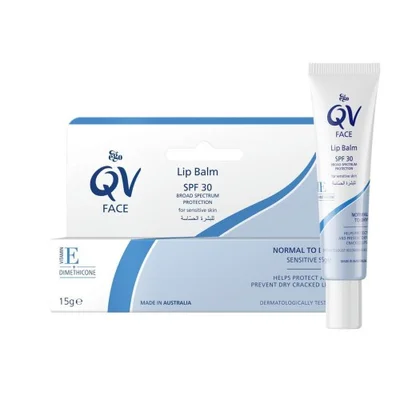
For lips, QV Face Lip Balm SPF 30 protects against UV rays and moisturises dry, sensitive lips, according to its description.
Common mistakes
- Relying on foundation or powder with SPF, because we apply far too little of them.
- Applying sunscreen once in the morning and then staying in the sun all day.
- Leaving the bottle in a hot car in summer. High heat can spoil sunscreen. Check the expiry date too.
- Believing darker skin does not need sunscreen. It burns less easily, but it is very prone to pigmentation.
Sunscreen for children and during pregnancy
- Babies under 6 months: it is best to keep them out of direct sun with shade, clothing and a hat, and to ask the paediatrician before using any sunscreen.
- Older children: a high-protection, water-resistant sunscreen, ideally mineral for sensitive skin, reapplied often.
- Pregnancy: sunscreen matters a lot because melasma often gets worse in pregnancy. Many women prefer mineral sunscreens. Ask your doctor if you have a question about a specific ingredient.
Does sunscreen stop vitamin D?
In everyday use, sunscreen does not usually cause vitamin D deficiency, because most people do not cover all their skin or apply the full amount. Anyone who is deficient treats it with supplements. See our guide to the benefits of vitamin D.
When should you see a doctor?
- Severe sunburn with large blisters, or fever, chills, headache and dizziness.
- A rash or itching that appears after sun exposure, especially with medicines that increase sun sensitivity, such as some antibiotics (doxycycline) and acne treatments (isotretinoin).
- A new mole, or a mole that changes shape, colour or size, bleeds or itches.
- A sore on the skin that does not heal within a few weeks.
Frequently asked questions
Do I need sunscreen indoors?
If you sit near a window for long periods, yes, because UVA passes through glass. If you are away from windows, the need is lower.
Is SPF 30 enough in summer?
SPF 30 is enough for many people if applied in the right amount and reapplied. But in Iraq's strong sun, and for anyone with pigmentation or melasma, SPF 50 is the better choice.
Does sunscreen cause acne?
Some heavy sunscreens can clog pores in oily skin. The answer is to choose a light, non-comedogenic fluid and cleanse well in the evening, not to stop using sunscreen.
Which goes first: moisturiser or sunscreen?
Moisturiser first, then sunscreen as the last step before makeup. Some sunscreens are moisturising enough on their own for normal and oily skin.
Does water-resistant sunscreen last all day?
No. "Water-resistant" means it keeps its protection for 40 or 80 minutes in water, depending on the pack. After that you need to reapply.
If you are not sure of your skin type or which sunscreen suits it, message Green Heart Pharmacy on WhatsApp and we will be glad to help.